Decoding the Internet: What Does HMO Really Mean?
Internet acronyms pop up faster than most of us can keep track of them. Just when you think you have mastered the digital dictionary, a tiny three-letter combination slips into your group chat and leaves you staring at your screen in complete confusion.
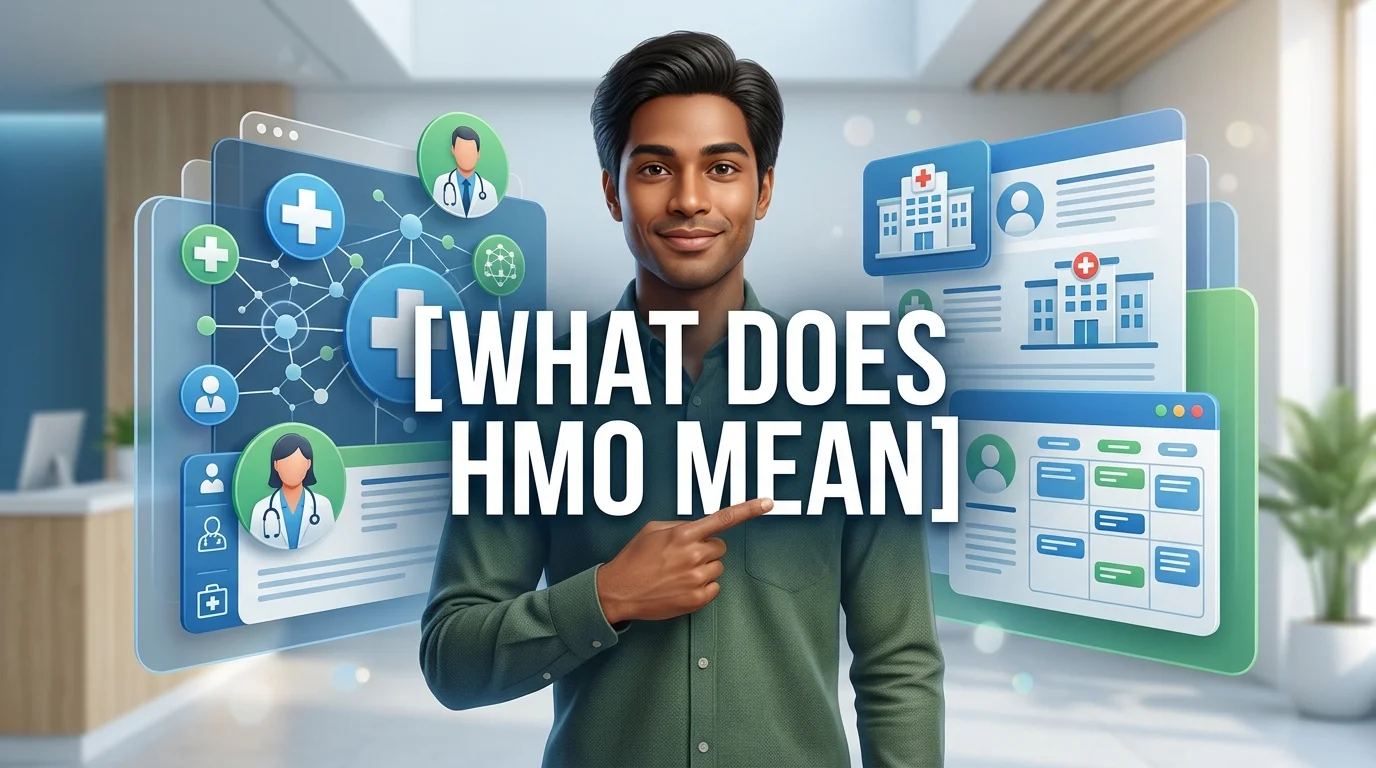
If you recently came across the letters HMO in a text, a TikTok comment, or a tweet, you might be wondering if your friends are suddenly discussing medical insurance. In the corporate world, HMO stands for Health Maintenance Organization, or perhaps House in Multiple Occupation in real estate circles. Online slang operates on a completely different frequency.
People search for this term because digital shorthand moves fast, and missing the context leads to awkward replies. Decoding this slang bridges the gap between feeling out of the loop and communicating with effortless confidence across modern social spaces.
What Does HMO Mean? Quick Meaning
In online conversations, messaging apps, and social media comments, HMO stands for “Hate On Me” or “Hold My Hand.” The primary, most common internet slang translation is “Hate On Me.”
It is a bold, defensive, or unapologetic expression used when someone shares a hot take, a controversial opinion, or a personal flex. They fully expect backlash, yet they post anyway because they own their stance completely.
- Primary Definition: Hate On Me (Used to invite or dismiss criticism regarding a bold statement).
- Secondary Definition: Hold My Hand (Used in romantic, affectionate, or vulnerable contexts).
- Workplace Definition: Health Maintenance Organization (A type of health insurance plan).
“I actually think pineapple belongs on pizza, HMO.”
“This outfit was way too expensive, but I look incredible, HMO.”
“Walking into this exam knowing I studied for ten minutes, HMO.”
Origin & Background
Where It Came From
The acronym original roots stem from traditional institutional terms like healthcare and housing. Its transformation into slang grew directly out of urban texting spaces and early forum culture.
Shortening phrases into three-letter bursts saved keystrokes on mobile keyboards. Over time, “Hate On Me” found a natural home online where users needed quick ways to frame their hot takes.
Social Media Impact & Cultural Evolution
TikTok and X (formerly Twitter) accelerated the adoption of this phrase significantly. On TikTok, creators use the acronym in video captions when displaying unconventional fashion choices, controversial food combinations, or unfiltered personal opinions.
Algorithm-driven platforms thrive on engagement, and inviting viewers to disagree naturally boosts comment counts. The term evolved from a simple text shortcut into an intentional engagement hook that signals modern digital confidence.
Real-Life Conversations
Example 1: WhatsApp Group Chat
Alex: I’m honestly thinking about quitting my job to travel for a year.
Maya: Wait, without a solid savings backup? That sounds super risky!
Alex: I know it sounds wild, but I need a reset, HMO.
Example 2: Instagram DM
Jordan: Did you seriously just post that photo without filtering it first?
Sam: Yep! No edit, bad lighting, zero filter. HMO!
Example 3: TikTok Comment Section
User_1: Imagine buying a phone purely for the color.
User_2: I bought the pink one just for the aesthetic, HMO!
Example 4: Casual Text Message
Taylor: Are you really going to eat a full tub of ice cream at 2 AM?
Chris: Absolutely. I had a rough day, HMO.
Emotional & Psychological Meaning
What Emotion It Expresses
At its core, this slang carries a blend of defiant confidence, self-awareness, and emotional armor. Using the phrase acknowledges that an opinion or action breaks social norms.
Instead of hiding or apologizing, the speaker calls out the expected judgment beforehand. It strips potential critics of their power by leaning directly into the critique.
What It Reveals About Modern Communication
Digital culture moves at an intense pace where public judgment happens instantly. By using this shorthand, people establish control over their personal narrative.
It functions as psychological self-defense. If you tell people to critique you before they even get the chance, their criticism loses its sting.
A Real Experience from Communication Practice
During a group workshop on modern digital rhetoric, a young college student explained why she added this phrase to her social posts. She admitted that posting her raw artwork made her feel deeply vulnerable.
Adding those three letters gave her an emotional safety net. It signaled to her followers that she owned her imperfections, turning potential anxiety into a display of quiet confidence.
Usage in Different Contexts
Social Media Platforms
On TikTok, X, and Instagram, the term appears frequently in captions and comment sections. It signals a lighthearted challenge to the community, inviting debate without taking the responses too personally.
Friends & Romantic Relationships
Among close friends, the phrase takes on a humorous, self-deprecating tone. In romantic contexts, if interpreted as “Hold My Hand,” it switches entirely from defensive posture to sweet vulnerability. Context clarifies the intent instantly.
Work & Professional Settings
Avoid using this slang acronym in professional emails, Slack channels, or corporate meetings. In those environments, colleagues will assume you are discussing healthcare plans or real estate contracts.
+-------------------+-----------------------------------+-----------------------------+
| Context           | Tone & Intended Meaning           | Appropriateness Level       |
+-------------------+-----------------------------------+-----------------------------+
| Social Media      | Defiant, bold, trendy             | Highly Appropriate          |
| Casual Texting    | Playful, honest, relaxed          | Highly Appropriate          |
| Professional Workplace | Health Insurance / Healthcare  | Professional Only           |
| Formal Writing    | Incorrect / Out of place          | Not Appropriate             |
+-------------------+-----------------------------------+-----------------------------+
When NOT to Use It
Inappropriate Contexts
Using casual internet slang during serious discussions creates distance and confusion. Avoid drop-tested slang in formal academic writing, professional negotiations, or sensitive emotional conversations.
Cultural Sensitivity & Misunderstanding
Older generations or non-native English speakers will likely interpret the letters as a healthcare reference. Using it in serious debates can make you seem dismissive or unnecessarily argumentative.
- Professional performance reviews or corporate communications.
- Sympathetic or grief-related text exchanges.
- Serious relationship discussions requiring clear empathy.
- Formal job applications or client pitches.
Common Misunderstandings
What People Get Wrong
The most frequent mix-up happens between the medical definition and the slang meaning. Sending a message expecting a friend to understand your bold fashion take might lead them to ask about your health insurance policy.
Tone Confusion
Because text lacks vocal tone, some readers perceive the phrase as aggressive or overly combative. The intent is almost always lighthearted and self-aware rather than truly angry.
Slang Comparison Table
| Term | Full Meaning | Primary Vibe / Tone | Best Platform |
| HMO | Hate On Me | Bold, unapologetic, defensive | TikTok, X, Texts |
| CMO | Change My Mind | Opinionated, open to debate | Reddit, Forums |
| TBH | To Be Honest | Candid, authentic, soft | All Messaging Apps |
| IYKYK | If You Know You Know | Exclusive, insider-knowledge | Instagram, Stories |
| NGL | Not Gonna Lie | Vulnerable, direct, casual | Texting, DMs |
Key Insight
Internet slang forms a complex landscape where three small letters carry completely different meanings depending on whether you are texting a friend or talking to your accountant.
8 Variations & Related Types
1. HMO (Hate On Me)
The standard slang usage for expressing an unpopular opinion boldly.
2. HMO (Hold My Hand)
A romantic or tender variation used in intimate relationship texts.
3. HMO (Health Maintenance Organization)
The formal medical insurance term used in corporate and healthcare settings.
4. HMO (House in Multiple Occupation)
A UK real estate term describing a residential property rented by several individuals.
5. HMO (Help Me Out)
An occasional phrasing used when requesting quick advice or support online.
6. HMO (Hear Me Out)
A popular alternative phrasing used right before sharing an unusual opinion.
7. HMO (Hug Me Often)
A rare, affectionate acronym variation found in sweet personal bios.
8. HMO (Hit Me Open)
A casual sports or gaming phrase used when requesting a quick pass.
How to Respond When Someone Uses It
Casual Replies
- “Honestly, I kind of agree with you!”
- “No hate here, you do you!”
- “Fair point, I can’t even mad at that.”
Funny Replies
- “Calling the police on this take right now.”
- “I am hating on you, but only a little bit!”
- “Sending help because this opinion is unhinged.”
Mature Replies
- “I see where you are coming from, even if I view it differently.”
- “Everyone has their preferences, no judgment here.”
Respectful Replies
- “I respect your honesty!”
- “Bold take, but you make a good point.”
Regional & Cultural Usage
Western Culture
In North America and the UK, young digital users rely heavily on this shorthand to navigate social media commentary and shield themselves from online judgment.
Asian & Middle Eastern Contexts
Across global internet communities, English slang circulates through gaming and short-form video platforms, though local acronyms often take precedence in daily chat.
Generational Differences
Gen Z uses the term naturally within everyday digital chatter. Millennials often recognize it but may pause to distinguish it from healthcare terms. Gen X and Baby Boomers will almost exclusively associate it with medical coverage.
Is It Safe for Kids?
Yes, the slang meaning (“Hate On Me” or “Hold My Hand”) is completely safe and free from explicit content. It is a harmless piece of conversational shorthand used by teenagers and young adults across social apps.
Frequently Asked Questions
What does HMO mean in texting?
In texting, it most commonly means “Hate On Me,” used when sharing a bold or controversial opinion.
Is HMO an offensive term?
No, it is not offensive. It is simply a conversational tool used to express confidence or frame an unpopular opinion.
What is the medical meaning of HMO?
In healthcare, it stands for Health Maintenance Organization, a specific type of health insurance network.
How do I know if HMO means healthcare or slang?
Context makes it clear. If the discussion involves doctors, copays, or employment benefits, it refers to healthcare. If found on TikTok or casual texts, it is slang.
Does HMO mean “Hear Me Out”?
While some people use it casually for “Hear Me Out,” the primary social media slang definition remains “Hate On Me.”
Final Thoughts on Decoding HMO
Language evolves continuously, and digital communication changes faster than traditional dictionaries can print. Modern acronyms like HMO give us creative ways to express complex emotions, build confidence, and connect across digital spaces.
Understanding these subtle shifts keeps your communication fresh, authentic, and clear. The next time you see those three letters drop into a conversation, you can reply with complete confidence—no dictionary or insurance policy required!