Texting used to be simple. You would type out what you meant, hit send, and move on with your day.
Then came emojis.
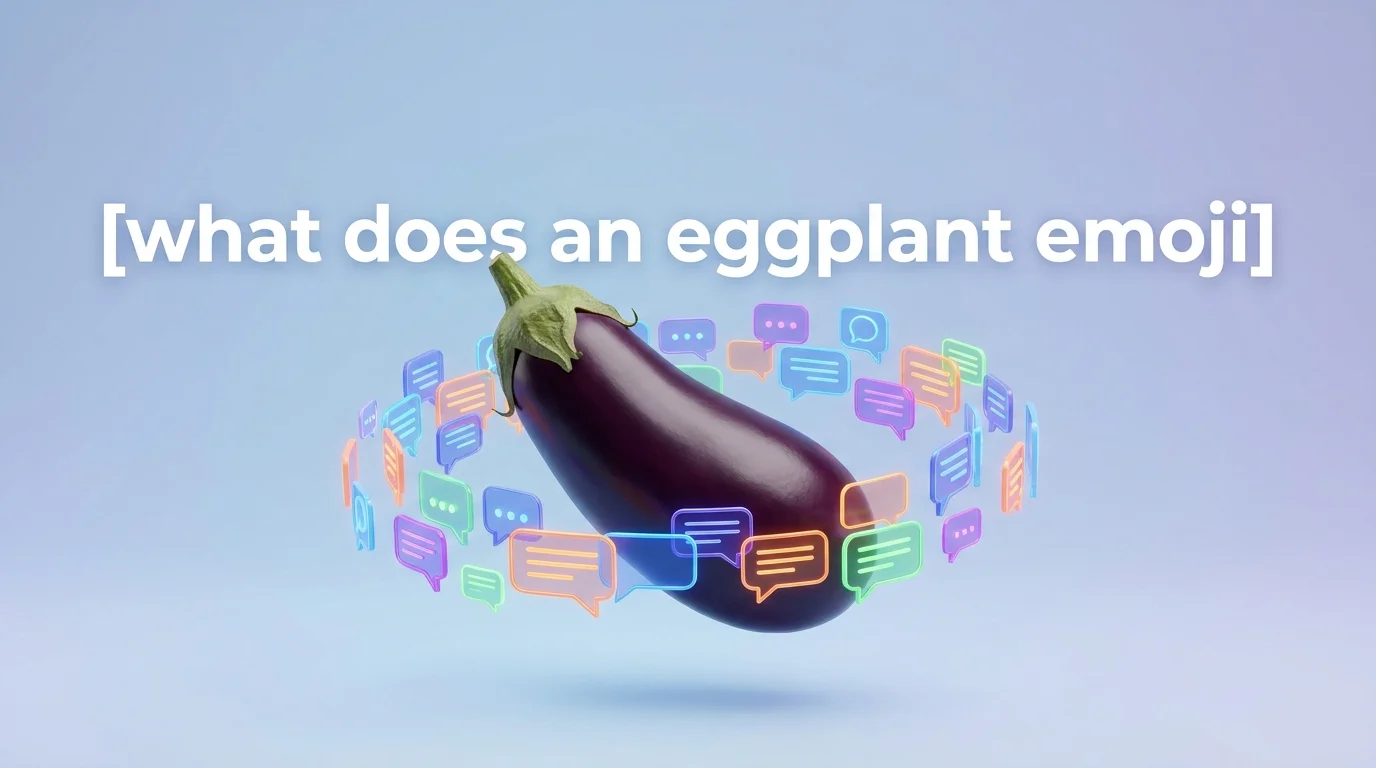
Suddenly, a simple purple vegetable became one of the most talked-about symbols on your phone screen. If you have ever stared at your phone wondering what does an eggplant emoji mean in a text message, you are definitely not alone.
This guide breaks down every hidden meaning, cultural nuance, and awkward misunderstanding surrounding this famous emoji. You will learn how to read between the lines, navigate tricky texting situations, and use it confidently without creating an uncomfortable moment.
The True Meaning Behind the Purple Vegetable
Deciphering digital culture requires looking past literal definitions. The eggplant emoji (🍆) is rarely used to discuss cooking, farming, or healthy eating habits.
In modern digital communication, the eggplant emoji is almost universally recognized as a phallic symbol. It stands in for male anatomy, sexual suggestive text messages, and flirty banter across social media platforms.
Understanding this distinction helps prevent accidentally sending a suggestive message to your family group chat when you just wanted to share a ratatouille recipe.
What Does an Eggplant Emoji Mean in Modern Texting?
To understand how this single icon functions in everyday messaging, it helps to break down its primary interpretations.
Core Meanings and Common Uses
- Sexual Innuendo: It serves as the primary symbol for male anatomy in adult texting culture.
- Flirty Suggestion: Sent between romantic partners, it signals physical attraction or explicit desire.
- Late-Night Requests: It frequently appears in late-night messaging to initiate adult conversations.
- Humorous Banter: Friends often send it ironically to tease each other or mock over-the-top flirtation.
- Literal Produce: On extremely rare occasions, it actually refers to the dark purple vegetable.
Real-World Examples in Action
“Are you free tonight? 🍆👀”
“He sent me three of those emojis in a row, and I immediately blocked his number.”
“Making actual pasta tonight, and yes, I mean the real vegetable 🍆! Stop laughing.”
The Origin and Evolution of the Purple Symbol
Every digital symbol carries a story, and this one has quite a history.
From Digital Keyboard to Pop Culture Icon
The symbol joined standard smartphone keyboards back in 2010 through the Unicode 6.0 update. At the time, software developers simply designed a standard purple vegetable to round out the food selection menu.
Internet users quickly noticed its distinct shape and vibrant purple hue. By 2014, online slang adopted the vegetable as a discreet shorthand for explicit physical references, allowing people to bypass crude words in private chats.
Social Media Bans and Mainstream Fame
The emoji gained national news attention in 2015 when major social media platforms restricted the symbol within search functions to curb inappropriate content. This decision backfired spectacularly, causing its popularity to explode nationwide.
Today, the icon appears in commercial advertisements, comedy sketches, fashion prints, and everyday conversations. It shifted from hidden internet slang into a universally recognized icon of modern adult humor.
Real-Life Conversations Across Platforms
To see how this plays out in real life, let us examine how people use this icon across different apps and messaging environments.
Texting on WhatsApp
Person A: Are you coming over after work?
Person B: Yeah, heading out now. What are we doing?
Person A: Movie night… or maybe something else 🍆🔥
Person B: Oh, okay. I see where this night is going!
Direct Messages on Instagram
Person A: That gym photo you posted today is ridiculous 🥵
Person B: Haha thanks! Worked hard on legs today.
Person A: Looks like you worked hard everywhere 🍆 slide into my texts later?
Person B: Bold move! Check your phone in five minutes.
Comments on TikTok
Person A: Why does every single comment section look like this lately? 😂
Person B: Because people have zero chill on this app! 🍆💦 everywhere.
Person A: Honestly, I can’t even scroll with my mom sitting next to me anymore.
Person B: Fair point, lock your screen!
Everyday SMS Texts
Person A: Hey, can you pick up vegetables on your way home?
Person B: Sure thing. What do you need?
Person A: Tomatoes, onions, and an eggplant. The actual food, please! 🍆🤣
Person B: Haha, noted! I will bring back real food.
Emotional and Psychological Drivers
Behind every tap of a screen lies human emotion. Understanding why people choose this specific icon reveals a lot about digital dynamics.
Why People Choose Visual Shorthand
Visual symbols act as an emotional shield in modern messaging. Sending a suggestive image feels less risky than typing out direct, explicit words. It offers an easy exit strategy if the recipient does not share the same enthusiasm.
The icon combines cheeky humor with physical desire. It softens adult suggestions, transforming a potentially crude statement into a playful, lighthearted interaction.
Modern Communication Insights
A few years ago, a colleague shared how a simple misunderstanding nearly ruined a work event. An event planner texted an outside catering company using the vegetable emoji alongside a list of salad ingredients. The owner immediately paused, unsure if the client was flirting or ordering produce. That brief moment of panic highlighted how deeply this visual double meaning is rooted in our daily interactions.
Context Matters: How to Read the Room
Context entirely dictates how a recipient interprets this famous icon.
Social Media Platforms
On public feeds, the icon usually signals humor, extreme physical attraction, or attention-seeking comments. Users post it beneath fitness photos, trendy outfits, or funny videos to generate quick engagement.
Romantic and Personal Relationships
Between dating partners, the symbol serves as direct, explicit flirtation. It establishes a bedroom tone, sets expectations for late-night plans, or adds playful passion to routine text exchanges.
Professional and Workplace Communications
Keep this symbol far away from professional messaging tools like Slack, Microsoft Teams, or email chains. Even if you are discussing actual cooking recipes or office potlucks, the widespread double meaning makes it an unnecessary risk in professional environments.
When You Should Avoid Using It
Knowing when to leave this symbol off your keyboard saves you from awkward social blunders.
Inappropriate Environments
- Work Emails: Never use it in business chats, client communications, or professional resumes.
- Family Group Chats: Avoid sending it to parents, grandparents, or extended family members.
- Professional Networking: Keep professional networking apps strictly formal and distraction-free.
- New Acquaintances: Wait until you know someone well before introducing suggestive slang into conversation.
Avoiding Misunderstandings
Sending this symbol to someone who does not know you well can easily feel forward, disrespectful, or inappropriate. When in doubt, stick to plain text or neutral symbols to ensure your message remains clear and respectful.
Common Misunderstandings and Myths
Despite its massive popularity, people still mix up the subtleties of this iconic symbol.
What Most People Get Wrong
Many users assume the symbol always signals a serious romantic proposition. In reality, people frequently send it as a joke to tease friends or highlight ridiculous internet trends.
Another mistake is believing older generations do not understand the secondary meaning. Modern media coverage has ensured that almost everyone with a smartphone recognizes the suggestive nature of this purple vegetable.
Comparing Popular Flirty Emojis
Understanding how different symbols compare helps you choose the right tone for every conversation.
| Emoji | Primary Meaning | Intensity Level | Best Context |
|---|---|---|---|
| Eggplant (🍆) | Male Anatomy / Suggestive | High | Flirting / Adult Banter |
| Peach (🍑) | Female Anatomy / Buttocks | High | Fitness / Romance |
| Sweat Droplets (💦) | Sexual Excite / Liquid | High | Flirting / Double Entendre |
| Smirking Face (😏) | Mischievous / Flirty | Medium | Playful Teasing |
| Fire (🔥) | Attractive / Hot | Low-Medium | Compliments / Hype |
| Winking Face (😉) | Playful / Light Flirt | Low | Friendly Banter |
Key Insight
While individual icons carry suggestive meaning on their own, combining symbols like the vegetable, peach, and liquid droplets creates an explicitly sexual message that leaves no room for misinterpretation.
Popular Symbol Combinations and Variations
Texting trends evolve rapidly. Here is how users mix this symbol with others to convey specific ideas.
Common Emoji Combinations
- 🍆💦 (Eggplant + Droplets): Direct adult suggestion implying physical completion.
- 🍆🍑 (Eggplant + Peach): Represents physical romance or physical intimacy between partners.
- 👀🍆 (Eyes + Eggplant): Signals that someone noticed an attractive physical feature.
- 🚫🍆 (Prohibition + Eggplant): Indicates a complete lack of interest in physical intimacy.
- ✂️🍆 (Scissors + Eggplant): A playful or aggressive threat to cut someone off completely.
- 📏🍆 (Ruler + Eggplant): References physical measurements or sizing jokes.
- 💭🍆 (Thought Bubble + Eggplant): Implies someone is thinking about adult themes.
- 🕳️🍆 (Hole + Eggplant): Direct visual metaphor for physical romance.
- 📉🍆 (Chart Decreasing + Eggplant): Indicates a sudden loss of mood or attraction.
How to Respond When Someone Sends It
Receiving this icon can catch you off guard. Here are tailored ways to respond based on your preferred boundary.
Casual Responses
“Haha, you are unbelievable!”
“I see where your head is at today 😂”
“Bold move sending that so early in the day!”
Humorous Replies
“Sir, this is a Wendy’s.”
“Did you mean to order groceries, or are you just happy to text me?”
“My phone screen is blushing right now.”
Direct and Mature Responses
“Let’s keep things casual for now.”
“I prefer to talk about that in person.”
“I like you, but let’s slow things down a bit.”
Boundaries and Respectful Setbacks
“I’m not comfortable with those types of messages.”
“Please keep our conversations professional.”
“Let’s stick to normal texts, thanks!”
Regional and Cultural Differences
Digital slang travels fast, but culture shapes how people view explicit symbols.
Global Perspectives
In Western countries, including North America and Western Europe, the symbol is universally understood as a flirty or explicit icon. It appears regularly in media, fashion, and pop culture humor.
In several Asian and Middle Eastern cultures, explicit digital slang remains far more taboo. Using suggestive symbols with acquaintances or in public forums can appear deeply disrespectful or offensive.
Generational Differences
Gen Z uses the icon with heavy layers of irony, often mocking older adults who use it too seriously. Millennials tend to use it directly for romantic banter, while Older Generations either avoid it entirely or occasionally use it literally for food references.
Is It Safe for Younger Audiences?
Parents should know that the vegetable icon functions as adult slang in modern digital spaces. While the graphic image itself is harmless food art, its usage among teenagers usually carries mature themes.
Monitoring screen time, discussing open communication, and setting digital boundaries helps younger users navigate complex social media slang safely without awkward misunderstandings.
Frequently Asked Questions
Why did the eggplant emoji become sexual?
The icon gained its explicit secondary meaning due to its distinct phallic shape and vibrant purple color, which internet users quickly adopted as visual shorthand for male anatomy.
What does it mean if a guy sends you an eggplant emoji?
When a man sends this icon, he is usually flirting with you, making an explicit suggestion, or expressing physical attraction in a cheeky, playful manner.
Is the eggplant emoji banned on social media?
Major platforms do not ban the icon entirely, but they frequently block searches for the symbol to prevent inappropriate content from appearing in public feeds.
Can you use the eggplant emoji literally for cooking?
You can, but recipients almost always read the double meaning first. If you want to talk about cooking, using words like “aubergine” or “vegetables” avoids confusion.
What is the female equivalent of the eggplant emoji?
The peach emoji (🍑) serves as the primary equivalent, representing female anatomy or physical attractiveness in modern texting culture.
How do I stop getting unwanted suggestive emojis?
State your boundaries clearly, ask the sender to keep messages neutral, or block numbers and social accounts that continue sending unwanted explicit icons.
Navigating Digital Slang with Confidence
Digital messaging changes rapidly, but understanding modern symbols helps you communicate with confidence and clarity. The eggplant emoji transformed from a simple grocery icon into a cultural phenomenon that defines modern digital romance and humor.
Pay attention to your environment, evaluate your relationships, and choose your symbols thoughtfully. Whether you use it playfully with a partner or avoid it altogether in professional settings, you now hold the insight to navigate every text message like a seasoned pro.