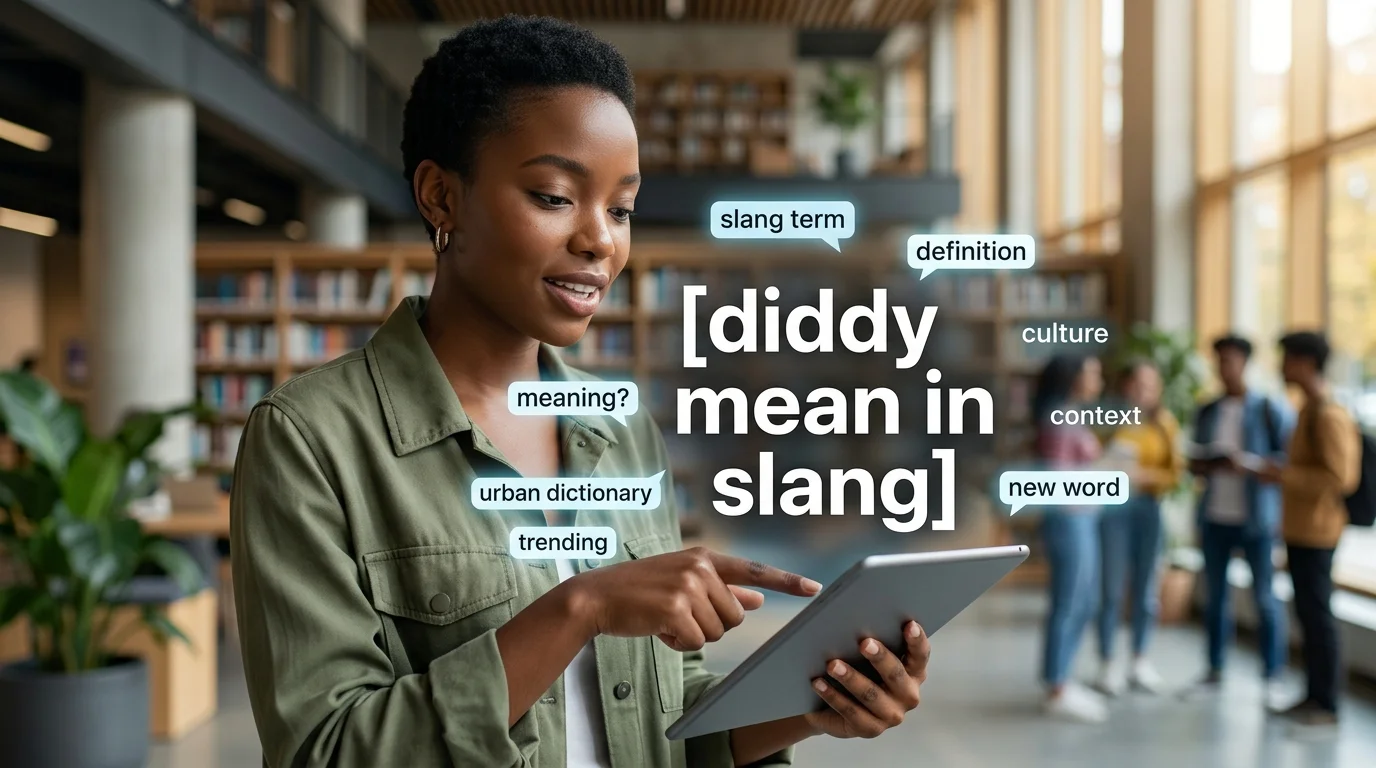
If you have scrolled through TikTok comments, browsed Instagram DMs, or overheard a group of Gen Z friends chatting recently, you might have heard the word “diddy” used in ways that made you pause. Language evolves fast on the internet, and staying updated with modern slang can sometimes feel like trying to catch a moving train.
Many people search for what diddy means in slang because the word carries multiple layers, shifting meanings, and distinct cultural contexts. Depending on where you hear it, it can describe someone small and cute, refer to a specific internet meme format, or point to pop-culture references linked to music mogul Sean Combs.
Understanding these subtle nuances helps you navigate modern digital conversations smoothly. Let us break down the exact meanings, roots, real-world examples, and cultural background behind this trending term.
What Does Diddy Mean in Slang? Unpacking the Definition
What Does Diddy Mean in Slang? Quick Meaning
At its core, the slang term diddy usually refers to something exceptionally small, tiny, or cute, originating from traditional British dialect. However, on modern social media platforms, its usage has expanded into a multi-layered slang term driven by pop-culture references, internet humor, and urban vocabulary.
Primary Definitions of Diddy
- Small or Petite: A classic descriptor used to characterize someone or something as tiny, compact, or cute.
- Pop-Culture Reference: A direct nod to Sean “Diddy” Combs, often used in internet memes referencing lavish lifestyles, party culture, or recent news controversies.
- Affectionate Nickname: Used among close friends to refer to someone in a fond, playful manner.
“Look at that diddy little puppy running across the park!”
“He walked into the room dressed up like Diddy in the late nineties.”
“Don’t worry about that diddy mistake; we can fix it in two minutes.”
Origin & Background of the Word
Historical Roots and British Dialect
The word “diddy” traces back decades as a regional colloquialism in British English, particularly across northern England and Scotland. Originally derived from the word “diddly” or “diddy-sized,” it served as a gentle, endearing term for miniature items or young children.
The Rise of Sean Combs and Pop-Culture Shift
During the late 1990s and early 2000s, hip-hop artist and entrepreneur Sean Combs adopted “P. Diddy” (and later simply “Diddy”) as his stage name. This shift permanently tied the word to themes of luxury, hip-hop culture, high fashion, and extravagant celebration across global pop culture.
Social Media Virality and Memetic Evolution
In recent years, platforms like TikTok, X (formerly Twitter), and Reddit breathed new life into the term. Internet creators began using “diddy” both as ironic commentary and as part of viral meme formats, causing its search volume and everyday usage to skyrocket worldwide.
Real-Life Conversations Using Diddy
To truly grasp how a slang term functions, it helps to see it used naturally in everyday digital exchanges.
WhatsApp Exchange Between Friends
Person A: Are you bringing that massive suitcase for a weekend trip?
Person B: Nah, just bringing my diddy little backpack. I pack light!
Instagram DM Conversation
Person A: Did you see the fit he wore to the party last night?
Person B: Yeah man, bro thought he was Diddy out there with the full white suit!
TikTok Comment Section
Person A: Why is that apartment so expensive? It looks tiny!
Person B: Real, charging two grand a month for a diddy closet space is crazy.
Text Message Thread
Person A: Can you grab me a coffee on your way over?
Person B: Sure thing, want the full size or just a diddy cup?
Emotional & Psychological Meaning Behind the Term
Slang is rarely just about words; it reflects human psychology, social bonding, and emotional tone. When people use the word “diddy,” they are often signaling comfort, playfulness, or shared cultural awareness.
Using traditional slang like “diddy” to describe something small creates a feeling of warmth and lightheartedness. It softens a statement, making criticisms feel less harsh and descriptions feel more charming. On the other hand, using the word in a pop-culture context acts as a digital secret handshake, showing that you understand current internet trends and humor.
Real-World Experience Scenario:
During a digital marketing team meeting, a designer presented a tiny logo adjustment. Instead of calling it a “minor tweak,” a colleague joked about the “diddy little edit.” Immediately, the room relaxed. The choice of word diffused tension and made the feedback feel friendly rather than critical.
Usage in Different Contexts
+------------------------+------------------------------------+--------------------------+
| Context                | Application & Tone                 | Suitability Rating       |
+------------------------+------------------------------------+--------------------------+
| Social Media           | Memes, casual banter, comments     | Highly Appropriate       |
| Friends & Dating       | Teasing, affectionate descriptions | Highly Appropriate       |
| Workplace              | Informal chats with peers          | Use with Caution         |
| Formal Communication   | Emails, presentations, interviews  | Not Recommended          |
+------------------------+------------------------------------+--------------------------+
Social Media Platforms
On TikTok and Instagram, the term thrives in comment sections. Users drop it in meme commentary or lighthearted roasts. Tone here is fast-paced, humorous, and highly casual.
Casual Friendships and Relationships
Among close friends, calling an object or a small mistake “diddy” adds a touch of playful affection. It signals intimacy because you are using relaxed, informal language.
Professional and Workplace Settings
In corporate environments, stick to standard language. Calling a project or client request “diddy” can sound unprofessional or overly informal unless you have a close relationship with your coworkers.
When NOT to Use the Term
- Formal Business Presentations: Avoid using slang when presenting to executives, clients, or stakeholders.
- Serious or Sensitive Discussions: Do not use casual terms during delicate conversations, as it can sound dismissive.
- Cross-Cultural Formal Meetings: International speakers may misinterpret the word, leading to confusion.
- High-Stakes Legal or Academic Writing: Always stick to clear, standard vocabulary in formal documentation.
Common Misunderstandings About Diddy
Misinterpreting the Tone
A frequent mistake people make is assuming “diddy” carries a negative or insulting tone when describing size. In most cases, it is purely descriptive or affectionate.
Confusing British Dialect with American Internet Slang
Older generations or UK speakers almost exclusively mean “small.” Younger global audiences often link the word directly to internet memes or pop-culture figures. Recognizing your audience prevents miscommunication.
Literal vs. Figurative Usage
Sometimes people use the term metaphorically to describe a short timeframe or a tiny effort rather than a physical object. Context tells you whether the speaker means literal physical size or figurative scale.
Slang Comparison Table
| Term | Primary Meaning | Tone | Example Sentence |
|---|---|---|---|
| Diddy | Very small / Pop-culture reference | Playful / Trendy | “That is a diddy little car.” |
| Teeny | Extremely small | Soft / Innocent | “She found a teeny kitten outside.” |
| Micro | Scientific or structural smallness | Neutral / Formal | “We need to focus on micro details.” |
| Smol | Internet slang for cute and tiny | Whimsical / Gen Z | “Look at that smol doggo!” |
Key Insight
Understanding the subtle differences between these terms ensures you choose the right word for your setting, keeping your communication natural and socially aware.
Variations and Related Expressions
- Diddy-Sized: Describes an object scaled down to a miniature version.
- Diddy Bit: Refers to a very small amount or short duration.
- Doing the Diddy: Internet slang referencing extravagant dancing or partying.
- Diddy-bop: A classic urban street dance step characterized by a confident bop.
- Super Diddy: Used humorously to emphasize that something is ridiculously tiny.
- Diddy Style: Referencing flashy late-90s hip-hop fashion or aesthetic.
- Little Diddy: A variation often used affectionately when talking about pets or kids.
- Diddy Moves: Slang describing smooth, confident, or flashy actions.
How to Respond When Someone Uses It
Casual Replies
- “Haha, yeah, it really is tiny!”
- “Right? Fits right in my pocket.”
Funny Replies
- “Hey, don’t roast my diddy luggage, it works!”
- “Small size, big personality!”
Mature and Balanced Replies
- “It might be small, but it gets the job done.”
- “Appreciate the help, even if it was just a tiny edit.”
Respectful Business Pivots
- “Yes, it is a small detail, but let us make sure it is accurate.”
- “We can address that smaller item right after this main point.”
Regional and Cultural Usage Differences
Western Culture (UK vs. US)
In the United Kingdom, “diddy” remains a standard regional term for small, understood across generations. In the United States, its usage relies much more heavily on hip-hop references and viral social media trends.
Asian and Middle Eastern Digital Spaces
Global English speakers in Asia and the Middle East pick up the word primarily through TikTok and YouTube. In these regions, it is almost exclusively recognized as trendy internet slang rather than traditional dialect.
Generational Divide: Gen Z vs. Millennials
Millennials often remember the name from music history and early pop culture. Gen Z users embrace the word as a flexible piece of meme vocabulary, often applying ironic humor to its everyday use.
Is It Safe for Kids and Teens?
Yes, the traditional definition of “diddy” meaning small or cute is entirely safe, harmless, and innocent for children and teenagers.
However, parents should be aware that because the term connects to public figures online, social media algorithms may link searches for the word to news commentary or adult pop-culture discussions. Overall, as a slang word itself, it is completely benign.
Frequently Asked Questions
What does diddy mean in modern slang?
In modern slang, it primarily means very small or cute, though it is also used on social media as a reference to pop-culture trends surrounding Sean “Diddy” Combs.
Is diddy a bad or offensive word?
No, the word itself is not inherently offensive. It is a traditional descriptor for smallness, though context always dictates how a word is received.
Where did the word diddy originally come from?
It originated as a regional slang term in British English, particularly in Northern England and Scotland, used to describe miniature items.
How do people use diddy on TikTok?
TikTok users typically use it in comment sections to describe small objects or in video captions as part of pop-culture meme formats.
Can I use diddy in a professional email?
It is best to avoid slang like “diddy” in formal workplace communications. Use standard words like “small,” “minor,” or “brief” instead.
Mastering Modern Slang with Confidence
Language is dynamic, expressive, and constantly adapting to how we connect both online and offline. Whether you encountered the phrase in a viral video comment section or heard a friend use it during coffee, knowing what diddy means in slang gives you a clearer view of modern digital communication.
Embracing new vocabulary helps you stay engaged with cultural shifts while expressing yourself with precision. Use slang naturally, respect the context of your conversation, and communicate with confidence!