Have you ever scrolled through TikTok, opened an Instagram DM, or read a text message and caught yourself wondering, what is hoa mean in this context? You are certainly not alone in your confusion.
Modern digital speech evolves at a breakneck speed, leaving many people feeling out of the loop. Slang terms spill across online communities overnight, blending sound effects, regional dialects, and internet memes into everyday conversations.
Deciphering modern slang requires looking beyond standard dictionary definitions. Online language carries distinct emotional undertones, tone nuances, and psychological context.
This guide explores the true definition of this expression, its real-life usage, social media roots, and proper context to help you communicate with complete confidence.
Understanding the Shift in Online Communication
Language is dynamic, constantly shifting to meet our need for fast, expressive connection. Acronyms, onomatopoeia, and vocal exaggerations fill our digital spaces, acting as emotional shorthand in text-based chats.
When people search online for internet terminology, they usually want to know if a phrase signals genuine anger, playful teasing, shock, or casual agreement.
Understanding these subtle shifts keeps your digital interactions smooth, relatable, and authentic across every platform you use.
What Is HOA Mean? – Quick Meaning
The Direct Definition
At its core, HOA functions in two entirely different worlds: traditional adult real estate and modern internet slang.
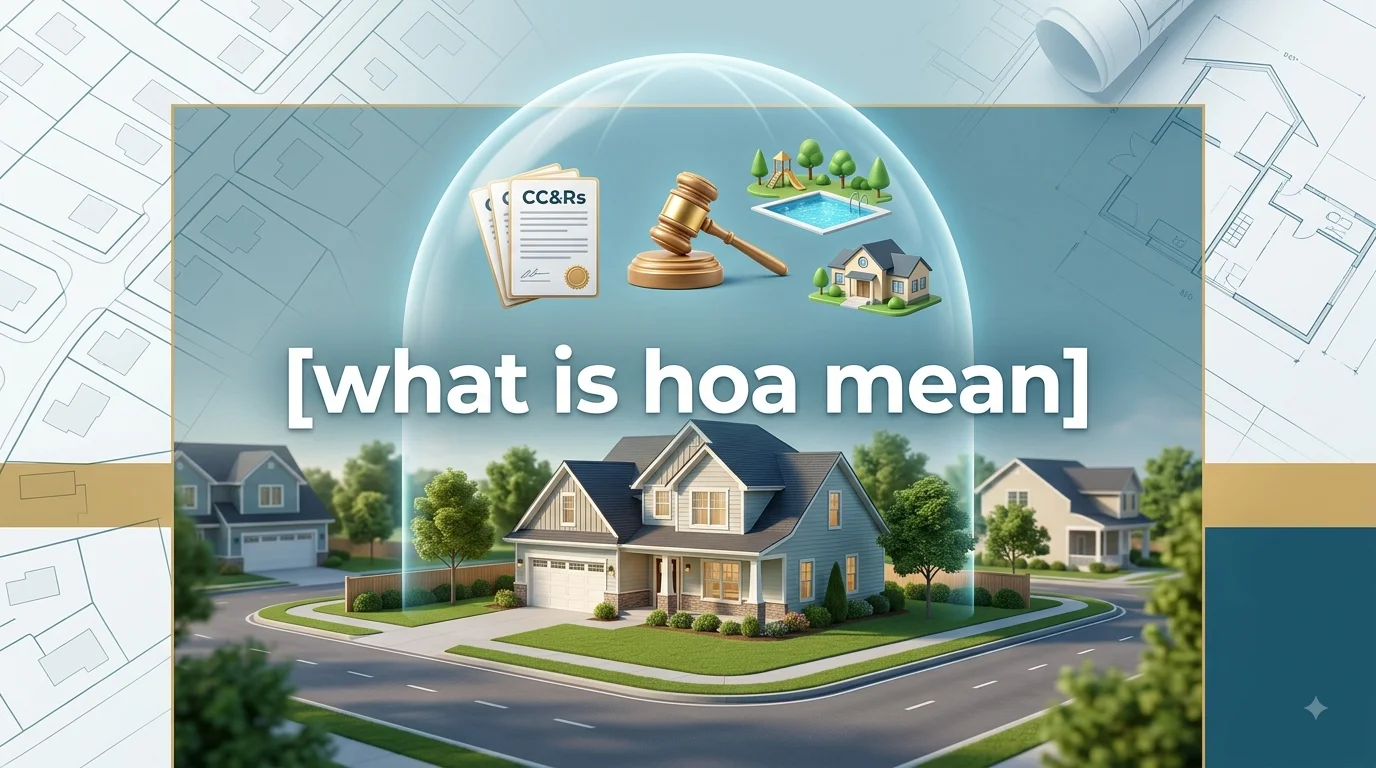
In standard real-world usage, HOA stands for Homeowners Association, referring to an organization that sets rules and manages a residential community.
In modern internet slang, digital chats, and social media trends, HOA is often an onomatopoeic representation of an exaggerated gasp, an expressive sigh, or a dramatic vocalization (resembling “hoaah” or “woah”).
Defining the Slang Vocalization
- HOA (Internet Slang): An expressive phonetic spelling used to show dramatic shock, breathtaking awe, sudden realization, or intense vocal emphasis.
- HOA (Standard Acronym): Homeowners Association, the governing body of a planned housing development.
“HOA! I did not see that twist coming at all!”
“She walked into the room looking like a million bucks, and everyone just went… HOA.”
“Check the HOA rules before buying that house, or you might not be allowed to paint your front door blue.”
Origin & Background
Where It Came From
The standard acronym has existed for decades within residential real estate. Its recent rise in viral search trends, however, stems entirely from the internet’s fondness for dramatic sound effects spelled out phonetically.
Phonetic slang turns human vocal sounds into written words. Online users started typing out exaggerated exclamations to mimic the dramatic auditory sounds popular in viral short-form videos.
Cultural Influence and Social Media Impact
Short-form video platforms transformed how we type. Creators started exaggerating sound effects for comedic impact, and viewers began translating those vocal sounds directly into comment sections.
As the sound spread across platform algorithms, typing “HOA” became a quick way to signal a dramatic reaction without recording an audio clip.
How the Meaning Evolved
What started as a niche sound effect quickly evolved into a shorthand text reaction. Over time, it split into two distinct tracks: standard real estate discourse and expressive online slang.
Real-Life Conversations
WhatsApp Chat Between Friends
Person A: Did you see Sarah’s new haircut? She shaved the whole side of her head!
Person B: HOA! No way, she had hair down to her waist yesterday!
Person A: I know, total shocker, but honestly it looks amazing on her.
Instagram DMs
Person A: Look at this view from the balcony of our rental unit!
Person B: HOA… that sunset looks completely unreal. Take a thousand photos!
TikTok Comment Section
Person A: Dropping my new single at midnight, hope you guys are ready for this beat drop!
Person B: HOA! My headphones are not going to survive this one 🔥
Text Message Thread
Person A: My landlord just told me the monthly HOA fee is going up by two hundred dollars next month.
Person B: Wait, what?! That is absolute madness, what are they even fixing?
Emotional & Psychological Meaning
What Emotion It Expresses
When used as slang, the term captures pure emotional exaggeration. It reflects awe, dramatic surprise, deep breathlessness, or unfiltered excitement.
Text messaging lacks facial expressions and vocal tone. Using dramatic phonetic spelling restores those missing emotional layers, letting the receiver feel your exact reaction.
Why People Use It
Psychologically, people use dramatic slang to build instant rapport and shared excitement. It signals that you are fully engaged in the conversation and matching the speaker’s emotional energy.
It removes formal stiffness from digital chats, creating an informal, warm environment where reactions feel authentic and unfiltered.
Real-Life Scenario
Picture sitting on the couch with a friend watching a intense thriller movie. A massive plot twist happens out of nowhere.
Instead of saying “that was unexpected” in a flat tone, you let out a dramatic gasp. In text form, typing “HOA!” serves that exact same purpose.
Usage in Different Contexts
Social Media Platforms
On Instagram, TikTok, and X (formerly Twitter), the term thrives in comment sections as an expressive reaction to impressive visuals, sudden reveals, or shocking news.
It grabs attention faster than standard text, making it a favorite for driving engagement under viral posts.
Friends & Casual Relationships
In group chats and direct messages, it serves as an enthusiastic nod or an expression of shared surprise. It signals high energy and playful banter.
Friends use it to validate each other’s news, outfit pics, or dramatic life updates.
Work & Professional Settings
Here is where caution is essential. Using phonetic internet slang in professional emails or client communications can appear unprofessional or confusing.
In a corporate environment, stick strictly to the professional meaning (Homeowners Association) if applicable to real estate, or avoid the phrase entirely.
+-------------------+-----------------------------------+---------------------------------+
| Context           | Slang Meaning (Gasp / Exclamation)| Standard Meaning (Association)  |
+-------------------+-----------------------------------+---------------------------------+
| Social Media      | Extremely Common                  | Rare (Unless real estate niche) |
| Casual Texting    | Very Common                       | Occasional                      |
| Professional Email| Avoid Completely                  | Standard Usage                  |
| Formal Writing    | Avoid Completely                  | Standard Usage                  |
+-------------------+-----------------------------------+---------------------------------+
When NOT to Use It
Inappropriate Contexts
Never use emotional reaction slang during serious, tragic, or highly sensitive conversations. Typing a dramatic reaction during sad news comes across as insincere or mocking.
Cultural Sensitivity
Slang moves fast, and using regional or platform-specific slang with people unfamiliar with online trends leads to awkward miscommunication.
If your audience consists of older colleagues or international business contacts, stick to traditional, clear English vocabulary.
Situations Causing Misunderstanding
The biggest risk is tone confusion. Sending a simple “HOA” to someone who only knows the housing term might make them think you are discussing property fees instead of reacting to their photo.
Common Misunderstandings
What People Get Wrong
The most frequent mistake is assuming the term has only one definition. Real estate investors might read it as a housing board, while a teenager reads it as a dramatic gasp.
Always analyze the surrounding sentence to figure out which meaning the sender intended.
Tone Confusion: Literal vs Figurative
Text lacks pitch and inflection. A phonetic word can read as playful, shocked, or sarcastic depending on your existing relationship with the receiver.
When in doubt, pairing slang with an emoji clears up any potential confusion instantly.
Comparison Table
| Term / Expression | Primary Meaning | Emotional Tone | Best Context |
| HOA (Slang) | Dramatic gasp / exclamation | Excitement, awe, shock | Casual DMs, video comments |
| HOA (Standard) | Homeowners Association | Formal, administrative | Real estate, neighborhood news |
| Woah | Expression of surprise or hesitation | Neutral surprise | General everyday speech |
| OMG | Oh My God / Goodness | High surprise, drama | Universal casual text |
| SMH | Shaking My Head | Disapproval, disappointment | Mild frustration, irony |
Key Insight
Context dictates everything in modern text communication. Taking a moment to read the room prevents embarrassing mix-ups between neighborhood housing rules and playful internet reactions.
Variations & Types
1. Loud HOA
An all-caps version (“HOA!”) used to signal extreme shock or intense, uncontainable excitement in text.
2. Soft Hoa
Lowercases (“hoa”) used for mild surprise, subtle realization, or a quiet, whispered reaction.
3. Extended HOAAAA
Adding extra vowels (“HOAAAA”) stretches the vocal length, emphasizing dramatic awe or overwhelming admiration.
4. Real Estate HOA
The formal noun describing neighborhood governing bodies that enforce community standards.
5. Condo HOA
A specialized housing association specifically handling shared building spaces, maintenance, and unit rules.
6. Sarcastic HOA
Used alongside a eye-roll emoji to mock over-the-top drama or unnecessary exaggeration from someone else.
7. HOA Board
Refers to the elected group of homeowners responsible for managing community regulations and collecting monthly dues.
8. HOA Fees
The mandatory monthly or annual payments made by homeowners to fund community upkeep and shared amenities.
How to Respond When Someone Uses It
Casual Replies
- “I know, right?! I couldn’t believe it either!”
- “Literally my exact reaction when I saw it!”
- “Right?! Total mind-blown moment.”
Funny Replies
- “Please lower your vocal volume, my phone speaker is vibrating!”
- “Take a deep breath, don’t pass out on me now!”
- “Are you gasping at my outfit or my terrible life choices?”
Mature Replies
- “It definitely caught me off guard as well.”
- “It certainly is a surprising turn of events.”
- “That was quite an impressive outcome.”
Respectful Replies (When used as Homeowners Association)
- “Thanks for the update regarding the neighborhood guidelines.”
- “I will review the community guidelines before starting the project.”
- “Please forward the meeting minutes when you have a moment.”
Regional & Cultural Usage
Western Internet Culture
In Western digital spaces, phonetic expressions thrive across platforms like TikTok and Instagram. Users freely blend auditory sounds into written text to build a casual, conversational tone.
Asian & International Digital Spaces
Global audiences often use localized sound words or character-based expressions for surprise. When Western phonetic slang crosses international lines, it can sometimes lose its specific vocal nuance.
Generational Differences: Gen Z vs Millennials
Gen Z favors phonetic, auditory-style slang that mirrors online video audio clips. Millennials tend to stick to traditional acronyms like “OMG” or “LOL.”
Millennials seeing the term are much more likely to think of housing rules first, whereas Gen Z users instantly picture the viral reaction sound.
Is It Safe for Kids?
Yes, the term is completely safe for children and teenagers. Neither the housing acronym nor the phonetic exclamation carries vulgar, offensive, or explicit meanings.
Parents can rest easy knowing that seeing this term in their child’s chat logs simply indicates dramatic reaction typing or neighborhood discussions.
Frequently Asked Questions
What does HOA stand for in text messaging?
In text messaging, it usually stands for an expressive, phonetic gasp showing shock or awe, or the standard acronym for Homeowners Association depending on the context.
Is HOA a bad word in internet slang?
No, it is not a bad or explicit word. It is a completely harmless expression used to convey surprise, admiration, or dramatic emotion.
How do I know if someone means Homeowners Association or the slang sound?
Look at the surrounding sentence. If they are discussing houses, property fees, or rules, it means Homeowners Association. If it appears after a picture or shocking news, it is slang.
Can I use HOA in professional business emails?
Avoid using the slang expression in business settings. Only use the term in professional emails if you are referring to a formal Homeowners Association.
Why do people type out sound effects like HOA?
Typing out sound effects adds emotional depth, tone, and vocal nuance to plain text messages, making digital conversations feel more lively and expressive.
Conclusion
Understanding modern lingo boils down to recognizing context, reading emotional cues, and appreciating how fast our digital language moves.
Whether you are navigating neighborhood housing rules or reacting to a friend’s wild news in the group chat, knowing both sides of this term keeps your communication clear and confident.
Embrace these shifting language trends, stay curious, and enjoy expressing yourself naturally across all your digital conversations.