Have you ever found yourself feeling completely drained of energy, struggling to get through your afternoon, or noticing a sudden pale look in the mirror and wondering what is actually happening inside your body?
When people search for what anemia means, they are usually looking for a clear, no-nonsense answer about a condition that affects millions of people around the world every single day.
There is often a lot of confusion surrounding this term, with some assuming it is just a temporary state of tiredness, while others worry it is a severe, untreatable disease.
In this complete guide, we will break down the true definition, explore how the word is used in everyday life, look at its psychological impact, and help you understand the nuances behind this incredibly common health term.
What Does Anemia Mean? Understanding the Basics
Understanding what anemia means starts with looking at how your body delivers vital resources to every single cell.
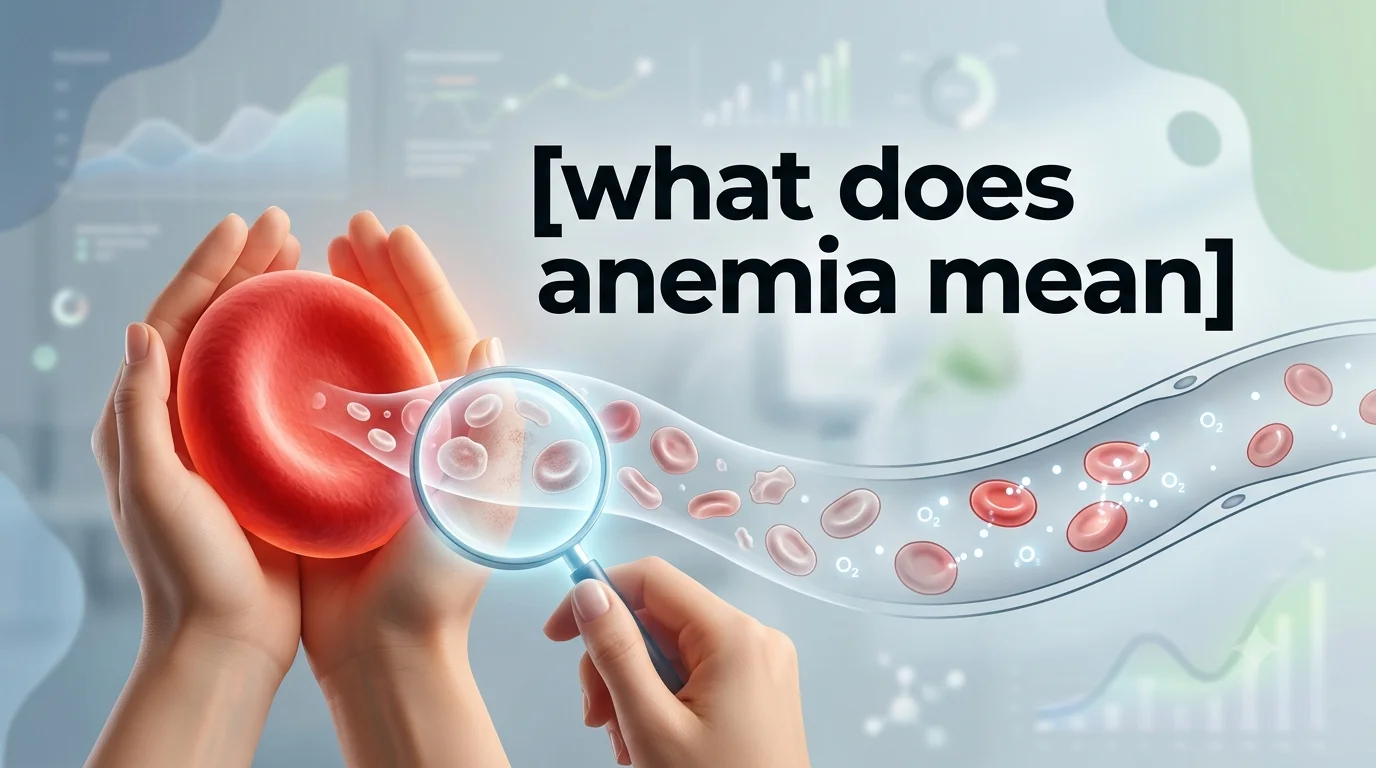
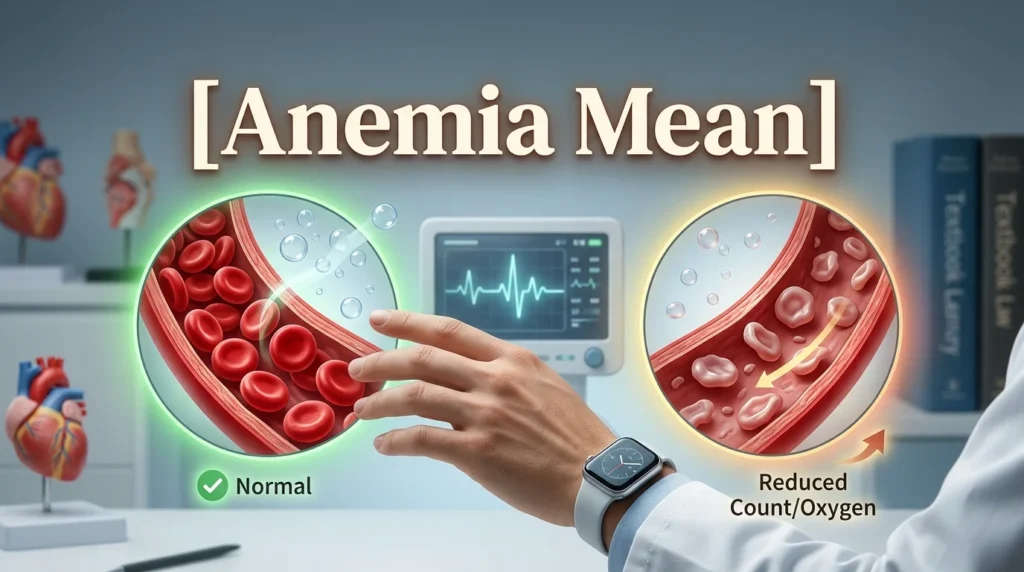
At its core, anemia is a medical condition characterized by a shortage of healthy red blood cells or hemoglobin, which is the essential protein responsible for carrying oxygen throughout your body.
When your body lacks sufficient hemoglobin, your organs and tissues do not receive the optimal amount of oxygen they need to function efficiently.
This oxygen deprivation leads directly to the classic symptoms Anemia Mean most people associate with the condition, such as persistent fatigue, cold hands and feet, dizziness, and a noticeable lack of physical stamina.
Core Definition and Key Facts
Here is a straightforward breakdown of what the term actually encompasses:
- Medical Definition: A state in which the count of red blood cells or their oxygen-carrying capacity falls below normal physiological limits.
- Primary Cause: Deficiencies in vital nutrients like iron, vitamin B12, or folate, as well as blood loss or underlying chronic medical conditions.
- Key Indicator: A lower-than-normal hemoglobin reading on a standard complete blood count (CBC) test.
“Anemia isn’t just about feeling tired; it is your body’s subtle way of whispering that its inner oxygen highway is experiencing a major traffic slowdown.”
“When someone says they are dealing with anemia, they are describing an internal state of depleted reserves that impacts everything from physical energy to mental clarity.”
“Think of anemia as running a high-performance engine on a depleted battery Anemia Mean—it might still turn over, but it won’t give you the drive you need.”
Origin & Background of the Term
The history of the word carries rich linguistic roots that tell us a lot about how human understanding of health has evolved over centuries.
Greek Roots and Early Medical Usage
The word itself originates from ancient Greek, combining two distinct linguistic roots.
The prefix “an-” means “without” or “lacking,” while the root “haima” translates directly to “blood.”
When combined, the word literally means “without blood” or “bloodlessness.”
Ancient physicians used this descriptive phrasing to explain Anemia Mean the distinct paleness and weakness seen in individuals suffering from severe blood loss or chronic illness.
Evolution in Modern Culture and Media
Over the decades, as clinical science advanced, the meaning shifted Anemia Mean from a simple literal description to a precise diagnostic category.
Today, social media and digital health communities have brought the phrase into everyday wellness discussions.
Wellness influencers, lifestyle creators, and patient advocacy groups frequently discuss iron levels, fatigue, and nutrition on platforms like TikTok and Instagram.
This digital shift has transformed a rigid clinical term into an accessible conversation topic about everyday wellness, metabolic health, and bodily awareness.
Real-Life Conversations
To see how this term flows naturally in modern communication, let Anemia Mean us look at a few realistic conversations across different messaging platforms.
TikTok Comment Section
User_Spark1: I haven’t had the energy to finish a workout all month, and my hands are constantly freezing.
FitLife_Maya: Honestly, check with a doctor! That sounded just like Anemia Mean me before I realized what anemia meant for my iron levels. Supplementing changed everything!
Instagram DM Exchange
Elena: Hey, are we still on for the hike tomorrow morning Anemia Mean?
Sarah: I might have to pass or do a gentle walk instead. My lab results came back and explained why I’ve been so drained lately—turns out my anemia flared up again.
WhatsApp Group Chat
David: You look super pale today, man. Are you feeling okay?
Marcus: Yeah, just low energy today. I’ve been dealing with mild anemia lately, so I’m catching up on rest and iron-rich foods this weekend.
Text Message Thread
Mom: Don’t forget to grab those leafy greens and lean protein from the grocery store today!
Alex: Got them! Keeping my iron intake up so Anemia Mean I don’t get that classic anemia slump during midterms.
Emotional & Psychological Meaning
While the physical symptoms are clear, living with low red blood cell levels carries a deep emotional and psychological weight.
The Hidden Fatigue and Mental Toll
Persistent physical exhaustion often leads to brain fog, low motivation, and a subtle feeling of emotional detachment.
When your body is working twice as hard just to distribute basic oxygen, your mental bandwidth shrinks dramatically.
People experiencing this often feel frustrated because their lack of energy can be misconstrued by others as laziness or a lack of interest.
Expressing that one is dealing with low iron or blood depletion becomes a way of communicating physical limitations without accepting social blame.
A Real-Life Scenario
Consider a dedicated working parent who suddenly finds themselves struggling to stay awake during early evening family time.
They feel an overwhelming sense of guilt, believing they are failing to be present for their loved ones.
After visiting a practitioner and discovering their iron Anemia Mean levels are severely depleted, the emotional burden lifts.
Understanding the cause transforms their self-perception from feeling inadequate to recognizing a manageable bodily need.
Usage in Different Contexts
The context in which this term is used changes depending on the setting and the audience involved.
Social Media and Online Fitness Spaces
On platforms like Instagram, TikTok, and YouTube, the phrase is frequently used in discussions about nutrition, plant-based diets, and fitness recovery.
It often serves as a shorthand for low stamina, pale skin aesthetics, or cold sensitivity in winter fashion posts.
Friends, Family, and Personal Relationships
In casual, personal settings, mentioning the condition is a gentle way to set physical boundaries.
It communicates to friends why you might prefer a relaxed night in over a high-energy social event without causing offense.
Professional and Workplace Contexts
In a workplace setting, referring to a diagnostic condition provides a clear Anemia Mean , professional explanation for needing light duties or medical leave.
It keeps the focus on health management rather than personal capability.
| Context | Tone Used | Typical Intent |
| Social Media | Casual, relatable, informative | Sharing wellness journeys, fitness tips, or personal routines |
| Personal | Vulnerable, honest, warm | Explaining low energy, setting physical boundaries with friends |
| Workplace | Professional, objective, direct | Communicating medical appointments or temporary physical limitations |
Read More: what does bbl mean The Ultimate Guide to Internet Awkwardness
When NOT to Use It
Using health terminology accurately requires sensitivity, context awareness, and careful thought.
Casual Misuse and Dramatic Hyperbole
Avoid using the word as a dramatic exaggeration for general tiredness after a single late night.
Saying “I am so anemic today” simply because you stayed up late watching movies diminishes the real, daily struggles of those living with chronic blood conditions.
Incorrect Clinical Application
Never use the term to describe general weakness caused by dehydration, sleep deprivation, or unrelated viral illnesses.
Accuracy matters when discussing health concepts, especially when offering advice to friends or family members.
Cultural Sensitivity and Misunderstandings
In certain cultures, discussions around blood health carry deep-seated superstitions or serious social anxieties.
Throwing the term around casually without understanding your listener’s background can cause unnecessary panic or offense.
Common Misunderstandings
There are several persistent myths that prevent people from truly grasping what the condition involves.
Myth 1: It Only Means You Need More Iron
While iron deficiency is indeed the most common cause, it is far from the only one.
Anemia can result from vitamin deficiencies, autoimmune issues, genetic traits, or kidney problems.
Assuming every case requires iron supplements can actually be dangerous, as excess iron carries its own health risks.
Myth 2: Tiredness Is the Only Symptom
Many people believe that if they aren’t falling asleep at their desk, they cannot have low blood levels.
In reality, symptoms like brittle nails, subtle shortness of breath, craving ice cubes, or frequent headaches are equally telling signs.
Myth 3: It Is a Disease On Its Own
Medical professionals view this condition primarily as a symptom or sign of an underlying issue, rather than an isolated disease.
Finding the root cause is always the most crucial step in long-term wellness.
Comparison Table
To help clarify how this term compares to other wellness and medical phrases, explore the comparison below:
| Term | Primary Focus | Key Difference | Context |
| Anemia | Low red blood cells / hemoglobin | Direct issue with blood’s oxygen-carrying capacity | Medical & Wellness |
| Fatigue | General feeling of exhaustion | A broad symptom that can stem from stress, sleep, or illness | Everyday Language |
| Hypotension | Low blood pressure | Focuses on force of blood against artery walls, not red cell count | Clinical Medical |
| Lethargy | Severe mental/physical sluggishness | Describes a state of awareness and reaction, not a blood metric | Behavioral Health |
Key Insight
Understanding the distinction between general fatigue and true blood-related deficiency helps individuals seek proper medical testing rather than relying on quick fixes like extra caffeine.
Variations and Related Types
There are several distinct types and variations of this condition that you will encounter in health articles and medical discussions:
Iron-Deficiency Anemia
The most common type, caused by insufficient iron to produce necessary hemoglobin levels.
Vitamin-Deficiency Anemia
Occurs when low levels of vitamin B12 or folate prevent the body from producing enough healthy red blood cells.
Aplastic Anemia
A rare and serious condition where the bone marrow stops producing enough new blood cells.
Sickle Cell Anemia
An inherited genetic condition where red blood cells assume an abnormal, crescent shape.
Hemolytic Anemia
A state where red blood cells are destroyed faster than the bone marrow can manufacture them.
Pernicious Anemia
An autoimmune issue preventing the proper absorption of vitamin B12 in the digestive tract.
Microcytic Anemia
A specific category where the produced red blood cells are significantly smaller than normal size.
Macrocytic Anemia
A condition characterized by red blood cells that are unusually large and structurally inefficient.
How to Respond When Someone Uses It
When a friend, colleague, or family member shares that they are dealing with low iron or blood health issues, choosing the right response shows care and emotional intelligence.
Supportive and Casual Replies
- “I completely understand! Take all the time you need to rest and recharge today.”
- “Thanks for letting me know. Let’s reschedule our workout for a day when you’re feeling stronger.”
Mindful and Empathetic Replies
- “That must be so draining to deal with daily. Have you been able to find a routine that helps?”
- “I appreciate you sharing that with me. Please let me know if I can help out with anything today.”
Lighthearted Replies (for Close Friends)
- “Time to bring out the spinach and iron-rich snacks! Wishing you a speedy energy boost.”
- “Sending you all the cozy vibes today. Rest up!”
Regional & Cultural Usage
The way people discuss blood health varies considerably across demographic groups and global regions.
Western Perspectives
In North America and Western Europe, discussions around iron levels are heavily tied to fitness, vegan/vegetarian lifestyle choices, and preventative self-care routines.
People openly discuss blood panels, supplement stack routines, and nutritional tracking.
Asian and Middle Eastern Cultural Nuances
In many Asian and Middle Eastern traditions, blood health is deeply intertwined with holistic concepts of bodily balance, warm/cold food dynamics, and post-partum recovery diets.
Family members often recommend specific traditional soups, dates, Anemia Mean, or iron-dense herbs long before clinical supplements are mentioned.
Generational Shifts (Gen Z vs. Millennials)
Millennials frequently research clinical terms to optimize work-life productivity and manage burnout symptoms.
Gen Z tends to candidly share health experiences on social media platforms, turning medical terms into relatable memes about low energy and self-care aesthetics.
Is It Safe for Kids?
Explaining health concepts to children requires simple, reassuring language.
When talking to kids about what anemia means, it is entirely safe and helpful to frame it in terms of energy and food choices.
You can explain that blood acts like a fleet of tiny delivery trucks carrying energy around Anemia Mean the body.
When those delivery trucks don’t have enough iron fuel, the body feels tired and needs extra rest along with healthy, nutrient-rich foods to build up its strength again.
This simple explanation keeps young minds from feeling anxious while teaching them the importance of balanced nutrition.
Frequently Asked Questions
What does anemia mean in simple terms?
It means your blood has fewer red blood cells or lower hemoglobin levels than normal, making it harder for your body to carry oxygen to your tissues and leading to physical exhaustion.
What causes a person to become anemic?
Common causes include a lack of iron or vitamins in your diet, natural blood loss, pregnancy, or underlying medical conditions that affect how your body creates red blood cells.
How do you know if you are suffering from anemia?
Common signs include persistent fatigue, pale skin, cold hands and feet, unexplained dizziness, Anemia Mean , frequent headaches, and shortness of breath during light physical activity.
Can anemia be fixed quickly?
Recovery time depends entirely on the underlying cause Anemia Mean. Nutrient-related deficiencies often improve within a few weeks to months of dietary changes and proper doctor-guided supplementation.
Is anemia considered a serious condition?
Mild forms are very common and easily manageable. However, severe or untreated cases can lead to complications affecting heart health, so getting a proper medical evaluation is essential.
Conclusion
Understanding what anemia means opens Anemia Mean up a clearer window into how our bodies communicate internal needs through physical signals.
Far from being a mysterious or scary word, it simply describes Anemia Mean a state where your body requires support, rest, and nutritional replenishment to function at its best.
By staying informed about your health, prioritizing balanced nutrition, and listening Anemia Mean to your body’s daily signals, you can confidently navigate wellness conversations and take proactive steps toward sustained daily energy.