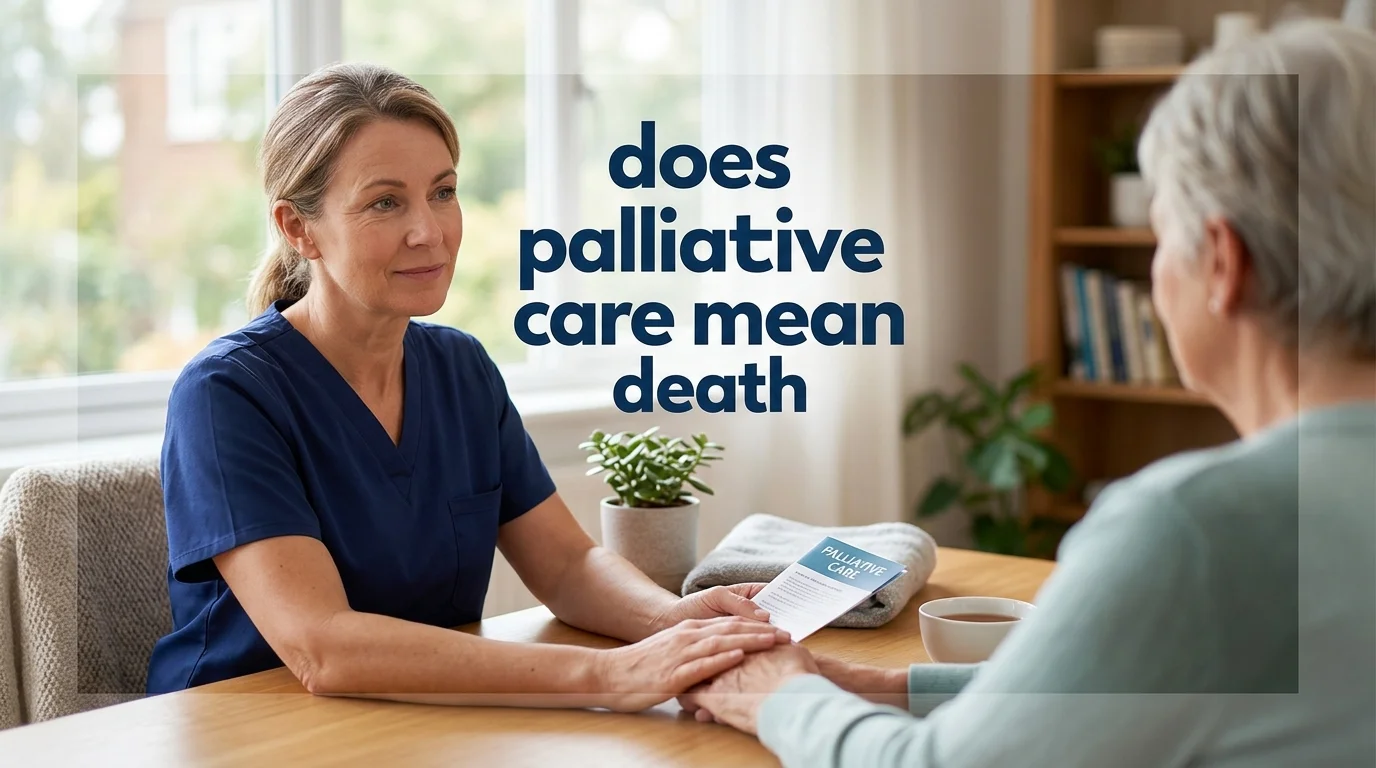
Does Palliative Care Mean Death? Understanding the True Purpose
When a doctor mentions specialized supportive treatment during a serious illness, a sudden wave of anxiety often fills the room. The immediate question that rushes through most people’s minds is direct and painful: does palliative care mean death?
This query is one of the most searched medical topics online today because the term carries immense emotional weight. People search for this answer during moments of quiet panic—sitting in hospital waiting rooms, reading through discharge papers, or late at night after a tough discussion with a specialist.
The widespread confusion surrounding this topic stems from a long-standing misconception. Many individuals equate supportive medical assistance directly with end-of-life hospice services. Understanding the true scope of specialized care clears up this misunderstanding and brings immediate relief to families navigating complex health journeys.
Does Palliative Care Mean Death? – Quick Meaning
A Clear, Modern Definition
Simply put, receiving specialized supportive treatment does not mean life is ending. Palliative care is a multidisciplinary medical specialty focused on providing relief from the symptoms, physical pain, and emotional stress of a serious illness. The ultimate goal is to improve the overall quality of life for both the patient and their family members, regardless of the diagnosis or prognosis.
Unlike end-of-life hospice programs, this form of care operates alongside curative treatments. Patients can undergo aggressive medical therapies—such as chemotherapy, radiation, surgery, or complex cardiac treatments—while simultaneously receiving specialized supportive care.
- Focuses on physical, emotional, and psychological comfort.
- Integrates seamlessly with active, life-prolonging treatments.
- Available at any stage of a serious illness, not just the final stages.
Real-Life Quotes from Clinical Practice
“When the oncology team brought in supportive specialists, I thought they were giving up on me. In reality, they helped me manage my pain so well that I was actually able to complete my full chemotherapy cycle.”
“Choosing specialized support didn’t mean my father was dying next week. It meant he could finally sit in his garden again without suffering from severe nausea.”
“Supportive care gave us back our dignity. It allowed us to focus on living comfortably rather than constantly fighting unmanaged side effects.”
Origin & Background
Where the Concept Originated
The term originates from the Latin word palliare, which means “to cloak” or “to cover.” Historically, a cloak provided warmth, shelter, and protection against harsh elements without changing the path a traveler was walking on.
In a medical context, this care acts as a protective shield against the severe symptoms and emotional distress caused by heavy medical treatments and long-term diseases.
Latin Origin: "Palliare" (To cloak/cover)
       │
       ▼
1970s Medical Adaptation (Balancing curative care with comfort)
       │
       ▼
Modern Healthcare Integration (Early intervention alongside cure)
Cultural Influence and Misconceptions
For decades, traditional healthcare systems separated medical treatment into two distinct categories: curing the disease or providing comfort when a cure was no longer possible. This rigid divide created a cultural stigma around supportive therapies.
Many societies historically viewed accepting comfort care as a sign of “surrendering” to an illness. This mindset created deep-seated fears that persist in modern healthcare conversations today.
Social Media and Digital Awareness
In recent years, modern communication channels have helped dismantle these outdated perceptions. Patients and healthcare advocates regularly share their personal health journeys online.
Short video clips, educational threads, and online support groups frequently highlight how early supportive intervention helped individuals rebuild their physical strength and maintain high activity levels. The narrative is shifting from fear to empowerment.
Real-Life Conversations
Scene 1: WhatsApp Chat Between Siblings
Sarah: The doctor mentioned bringing in a palliative specialist for Mom today. I am completely falling apart. Is this the end?
David: Take a deep breath, Sarah. I spoke with her head nurse earlier. It just means they are bringing in a expert team to manage her severe neuropathy pain from the new treatment.
Sarah: So they aren’t stopping her main medications?
David: Not at all. She is staying on the full treatment plan. This extra team is just making sure she isn’t suffering from side effects while her body fights.
Scene 2: Instagram DM Exchange
Mark: Hey man, saw your story about your dad entering a supportive program. Sending you my deepest condolences.
Alex: Thanks for reaching out, brother, but he is actually doing really well! He’s not in end-of-life care.
Alex: The team is just helping manage his shortness of breath while he starts his new cardiac rehabilitation program. He was actually out in the yard working on his plants this morning.
Scene 3: TikTok Comment Section
User_Hopeful: I turned down supportive therapy last year because I thought it meant my doctor was giving up on my cancer recovery.
Nurse_Emily: That is the biggest myth in modern medicine! Early supportive care actually helps patients tolerate their treatments much better and improves overall outcomes.
User_Hopeful: I wish someone had explained that to me sooner. I spent six months suffering from terrible nausea for no reason!
Scene 4: Family Text Message Group
Elena: Dad, please listen to the medical team. Accepting the specialized comfort plan doesn’t mean you are giving up on your recovery.
Dad: It feels like throwing in the towel, Elena. I want to fight this disease, not lie down.
Elena: They aren’t asking you to lie down! They want to fix your chronic back pain so you can actually get up, walk around, and keep your strength up for your regular therapy appointments.
Emotional & Psychological Meaning
What the Fear Reveals
Asking whether supportive care means death highlights a deeply human fear of loss, uncertainty, and control. When an individual faces a severe illness, healthcare environments can quickly feel overwhelming, impersonal, and clinically cold.
The recommendation of extra support services often acts as an emotional trigger. It forces families to confront the reality of a severe health condition, making the diagnosis feel much more tangible and urgent.
Severe Illness Diagnosis ──► Medical Overwhelm ──► Supportive Care Introduced ──► Emotional Fear / Uncertainty
                                                                                        │
                                                                                        ▼
                                                                           Empowerment & Symptom Relief
Psychological Impact of Early Intervention
When patients accept supportive services early in their treatment plan, a notable psychological shift occurs. Instead of feeling overwhelmed by constant physical pain or severe exhaustion, patients regain control over their daily routines.
Reducing the physical strain of an illness drastically decreases anxiety and clinical depression. This psychological relief provides patients with the mental resilience needed to fight their underlying conditions.
A First-Hand Clinical Perspective
In clinical settings, a common pattern emerges among newly admitted patients. An individual diagnosed with advanced heart failure may initially reject specialized supportive consults out of pure fear.
After weeks of struggling with severe breathlessness and sleepless nights, the patient finally agrees to meet with a supportive care specialist. Within days of targeted symptom management, the patient sleeps through the night for the first time in months.
The realization sets in: the extra support was never about dying; it was entirely about restoring daily life.
Usage in Different Contexts
Medical and Clinical Settings
In hospital wards and outpatient clinics, medical professionals view supportive therapy as a vital layer of extra assistance. Physicians introduce this option to handle complex pain management, coordinate care across multiple specialists, and facilitate clear communication regarding treatment goals.
Personal and Family Dynamics
Within family structures, discussing supportive options often requires incredible delicate handling. Relatives may worry that bringing up symptom management will discourage the patient. Clear communication transforms this perception, framing supportive services as a proactive choice that enhances daily living.
Professional and Workplace Contexts
When managing health leaves or workplace accommodations, specifying the receipt of supportive services communicates that a worker is actively managing a chronic condition. It clarifies that the individual is working closely with a comprehensive medical team to maintain stability and wellness.
When NOT to Use the Term Interchangesbly
Mixing Up Supportive Care with Hospice
Using supportive treatment and end-of-life hospice interchangeably creates unnecessary panic and confusion. Hospice is a specific form of comfort care reserved strictly for individuals approaching the final stages of a terminal illness, where curative treatments have been stopped.
Supportive care, on the other hand, applies at any phase of a severe disease, regardless of life expectancy.
┌─────────────────────────────────────────────────────────┐
│                     PALLIATIVE CARE                     │
│  (Symptom management AT ANY STAGE of serious illness)  │
│                                                         │
│   ┌─────────────────────────────────────────────────┐   │
│   │                  HOSPICE CARE                   │   │
│   │  (Comfort care AT END OF LIFE; no cure focus)   │   │
│   └─────────────────────────────────────────────────┘   │
└─────────────────────────────────────────────────────────┘
Inappropriate Medical Contexts
It is inaccurate to apply this medical classification to simple, short-term illnesses. A patient recovering from a minor procedure or a routine infection receives standard therapeutic care, not specialized palliative support.
Common Misunderstandings
Myth 1: “Your Doctor Has Given Up”
This is the single most pervasive myth surrounding the topic. Recommending a specialized support team means your doctor wants to enhance your overall treatment experience. It indicates a commitment to total patient wellness, ensuring pain and side effects do not derail primary therapies.
Myth 2: “You Have to Stop Fighting the Illness”
Many individuals believe that accepting comfort therapies requires stopping active treatments like chemotherapy, surgeries, or dialysis. In reality, supportive care works directly alongside these medical interventions to maximize their effectiveness.
Myth 3: “It Is Only for Elderly Patients”
Supportive care is completely age-agnostic. Pediatric patients with complex genetic conditions, young adults recovering from major traumatic injuries, and middle-aged individuals managing autoimmune diseases all benefit from this specialized framework.
Comparison Table: Clarifying Healthcare Terminology
| Care Type | Primary Focus | Timing / Stage | Curative Treatment Allowed? |
| Palliative Care | Symptom relief & quality of life | Any stage of a serious illness | Yes, fully integrated |
| Hospice Care | Comfort near end of life | Terminal phase (typically < 6 months) | No, curative efforts stop |
| Curative Care | Eliminating the primary disease | Upon diagnosis or onset | Yes, primary focus |
| Preventive Care | Preventing illness before onset | Ongoing, routine wellness | N/A |
Key Insight
While all hospice care falls under the broad umbrella of comfort management, not all supportive palliative care is hospice. Understanding this distinction eliminates unnecessary fear and empowers families to make informed medical decisions.
Variations & Related Terminology
- Supportive Care: A broad term describing medical interventions designed to help patients cope with side effects of chronic conditions.
- Symptom Management Care: Specialized medical treatment aimed specifically at mitigating pain, nausea, exhaustion, and physical discomfort.
- Advanced Care Planning: The process of outlining future medical preferences, values, and goals with healthcare teams before critical care is required.
- Comfort Focused Care: Medical strategies prioritizing personal physical comfort and emotional stability over invasive, high-risk interventions.
- Integrated Care: A holistic health strategy combining standard medical treatments with specialized physical and psychological support services.
- Concurrent Care: The practice of receiving active curative treatments while simultaneously utilizing comprehensive supportive services.
- Pediatric Supportive Care: Specialized symptom relief tailored specifically to children living with serious or life-limiting illnesses.
- Outpatient Palliative Services: Specialized medical support provided through regular clinic visits rather than long-term hospital stays.
How to Respond When Someone Mentions Palliative Care
Supportive and Clarifying Responses
- “That sounds like a great extra layer of support. Are they helping manage specific side effects right now?”
- “I am glad your medical team is focusing on keeping you completely comfortable while you go through treatment.”
- “It is great that you have an extra specialist onboard to handle your pain management directly.”
Informative Responses for Misinformed Friends
- “Actually, supportive care isn’t hospice! It helps manage treatment side effects so patients stay strong.”
- “My family used supportive care alongside active treatment, and it made a massive difference in quality of life.”
- “It simply means the medical team is taking physical pain and daily comfort seriously during a tough diagnosis.”
Regional & Cultural Perspectives
Western Cultural Views
In North America and Western Europe, healthcare systems actively integrate supportive specialists into early treatment protocols. Public health campaigns continue to educate the population on the benefits of early symptom management.
Asian and Middle Eastern Perspectives
In many Asian and Middle Eastern cultures, discussing serious medical conditions can carry heavy social stigma. Families often protect loved ones from hearing severe diagnoses, which can sometimes delay accessing extra support. However, modern educational efforts are rapidly shifting these traditions toward open communication.
Generational Differences
Older generations frequently associate specialized supportive programs strictly with end-of-life care due to legacy medical frameworks. Conversely, younger populations actively research health topics online, viewing supportive care as a proactive, empowering tool for wellness.
Is It Safe and Appropriate for Children?
Yes, pediatric supportive care is a well-established, highly beneficial field of modern medicine. When a child faces a complex, long-term health condition, specialized teams work closely with parents to ensure the young patient remains as comfortable and active as possible.
This specialized support manages severe pain, reduces hospital anxiety, and offers tailored psychological counseling for siblings and parents navigating a challenging medical journey.
Frequently Asked Questions
Does palliative care mean death is close?
No. Supportive palliative care is designed for any stage of a serious illness, not just the end of life. Patients can receive this care for years while actively recovering or managing chronic conditions.
Can you recover while receiving palliative care?
Yes, absolutely. Many patients receive supportive care while undergoing successful treatments that eventually cure or fully remit their illness. Once recovery occurs, supportive care is naturally phased out.
What is the main difference between palliative care and hospice?
Palliative care is available at any stage of an illness alongside active curative treatments. Hospice care is specifically designated for terminal conditions when curative treatments are no longer being pursued.
How long can a patient stay on palliative care?
There is no fixed time limit. A patient can receive supportive care for days, weeks, months, or even many years, depending entirely on their personal health needs and medical goals.
Who makes up a supportive care team?
A typical team includes specialized doctors, dedicated nurses, social workers, physical therapists, nutritionists, and chaplains who collaborate to support the patient’s holistic well-being.
Conclusion
Understanding the reality behind supportive healthcare transforms panic into clarity. When faced with the heavy question of whether palliative care means death, the answer is a resounding no. This specialized field of medicine is fundamentally about life—improving its daily quality, easing physical suffering, and empowering families through tough health challenges. Accepting extra support is never a sign of giving up; it is an active, wise choice to prioritize comfort, dignity, and strength every single day.