Understanding Your Lab Results: What High Triglycerides Really Mean
Getting a routine blood test back can feel like receiving a message written in a secret code. You scroll through the numbers, past the cholesterol markers, until your eyes land on a bolded value next to the word “triglycerides.” If that number is elevated, it is completely normal to feel a sudden wave of anxiety.
Many people search for this exact phrase because medical portals usually offer stiff, clinical definitions without explaining the real-world impact. You want to know if you are facing an immediate medical emergency or if this is simply a gentle wake-up call to adjust your daily routine.
Understanding this result removes the fear of the unknown. High triglycerides are not a sudden punishment, but rather a window into how your body processes energy, manages diet, and regulates metabolic health.
What Do High Triglycerides Mean? A Quick Overview
The Simple Definition
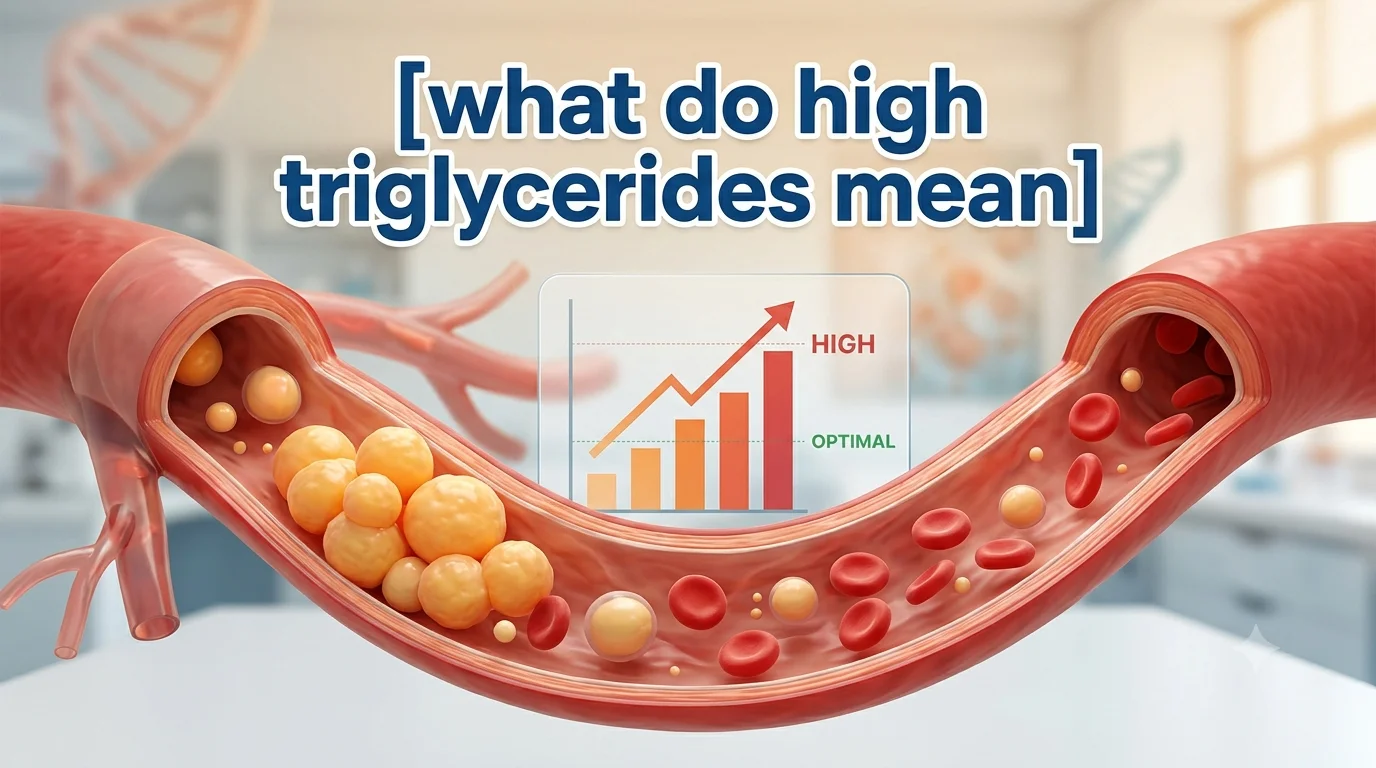
Triglycerides are the primary form of fat floating in your bloodstream. Whenever you consume food, your body converts any excess calories it does not need to use immediately into triglycerides. These molecules get stored inside your fat cells to be released later between meals when you need energy.
When your blood test shows high levels, it simply means your body is receiving or producing more calories and sugars than it is currently burning off.
- Normal Range: Less than 150 mg/dL (milligrams per deciliter)
- Borderline High: 150 to 199 mg/dL
- High: 200 to 499 mg/dL
- Very High: 500 mg/dL or higher
“Think of triglycerides as your body’s energy storage locker. When the locker is full, the extra inventory stays parked in your bloodstream.”
“High triglycerides rarely cause immediate pain, which is why they are often called a quiet metabolic signal.”
“Seeing a high number is not a personal failure; it is actionable data showing how your liver and metabolism are processing your daily diet.”
Origin & Background: How Fat Transports Evolved in Medicine
The Discovery of Blood Lipids
Centuries ago, physicians could only evaluate health by physical observation. The study of blood lipids began taking shape in the 20th century as biochemists isolated different lipid particles in human serum. Researchers realized that cholesterol was not the only fat molecule dictating heart health; floating fats played an equally critical role.
The Shift from Fat Myths to Carbohydrate Realities
For decades, popular health advice urged people to avoid all dietary fats to keep blood lipids low. Modern nutritional science revealed that high triglycerides are frequently caused by refined carbohydrates, sugary drinks, ultra-processed snacks, and alcohol, rather than healthy dietary fats.
Modern Lifestyle Impact
Our ancestors survived periods of famine because the human body evolved to store excess energy efficiently. Today, with constant access to high-calorie foods and reduced physical activity, our ancient metabolic survival gear works against us, leading to elevated blood fat levels across global populations.
Real-Life Conversations: Discussing Lab Results
Scenario 1: Texting a Family Member After a Doctor Visit
Person A: Just checked my health portal. My doctor said my triglycerides are high, and now I’m panicking a bit.
Person B: Deep breath! That happened to me last year. Did they give you a specific number or talk about changes to your diet?
Person A: It was around 220. She mentioned cutting down on soda and taking daily walks.
Person B: That is totally manageable. I dropped mine back into the normal range in three months just by cutting back on late-night snacks.
Scenario 2: Instagram DMs Between Gym Buddies
Person A: Hey man, got my bloodwork back. My cholesterol is fine, but why are my triglycerides up? I thought I ate healthy!
Person B: Are you still drinking those high-calorie recovery shakes and eating sweet energy bars every afternoon?
Person A: Yeah, almost every day after lifting.
Person B: That might be it. Excess fast-acting carbs get converted straight to triglycerides if your body doesn’t burn them right away.
Scenario 3: Chatting Over Family Dinner
Person A: Pass on the dessert for me tonight. My lab work showed high triglycerides, so I need to make some tweaks.
Person B: Oh no, does that mean you have to go on strict medication right now?
Person A: Not necessarily! My doctor said lifestyle changes like adding fiber and cutting down on sweet tea are the first line of defense.
Emotional & Psychological Meaning: Listening to Your Body
The Anxiety of Silent Signals
Receiving elevated lab results often triggers anxiety because high triglycerides do not cause physical pain. You feel completely fine on the outside, yet a sheet of paper suggests something is off on the inside. This contrast can create psychological distress and health-related fear.
Shifting from Panic to Empowerment
Viewing your blood test as a conversation with your metabolism changes everything. The result is simply feedback, reflecting recent patterns of food intake, physical activity, sleep quality, and stress levels.
A Real-Life Perspective
A patient named Sarah once shared her experience after seeing a triglyceride reading of 240 mg/dL during a routine checkup. She initially felt ashamed, assuming she had ruined her health. After working with a dietitian, she realized her habit of drinking sweetened coffee drinks while working late nights was the primary trigger. Within four months of swapping her coffee syrup for cinnamon and taking evening walks, her numbers normalized. The experience taught her that health metrics are guides, not character judgments.
Usage in Different Contexts: Clinical vs. Lifestyle Meanings
Medical and Clinical Context
In a physician’s office, high triglycerides serve as an important biomarker for metabolic health. Doctors evaluate this number alongside HDL (good) cholesterol, LDL (bad) cholesterol, fasting blood sugar, and blood pressure to assess overall cardiovascular risk.
Fitness and Nutritional Context
Personal trainers and registered dietitians view elevated triglycerides as an indicator of energy imbalance. It suggests that nutrient timing, carbohydrate quality, or total caloric intake needs refinement to match daily energy expenditure.
Casual and Social Settings
When discussing health with friends or family, high triglycerides are often mentioned as a reminder to prioritize wellness, cut back on alcohol during social gatherings, or adopt healthier meal routines together.
When NOT to Panic: Misinterpretations and Nuance
Temporary Spikes vs. Chronic Elevation
A single high reading does not always mean you have a long-term metabolic condition. Certain temporary factors can cause short-term spikes in triglyceride levels:
- Eating a heavy, fat-rich meal the night before your test
- Not fasting properly for 9 to 12 hours prior to blood draw
- Recent heavy alcohol intake over the weekend
- Acute illness, high stress, or minor infections
Cultural and Dietary Sensitivity
Dietary habits vary significantly across cultures. Diets rich in rice, fresh bread, or traditional sweets can naturally lead to higher triglyceride readings if physical activity is low. Rather than eliminating cultural staple foods entirely, adjusting portion sizes or pairing carbs with protein and fiber is often enough.
Common Misunderstandings About Triglycerides
Misconception 1: Triglycerides and Cholesterol Are the Exact Same Thing
While both are lipids measured in a standard lipid panel, they serve distinct functions. Cholesterol builds cells and creates essential hormones, whereas triglycerides store unused calories to provide your body with energy.
Misconception 2: Only Fatty Foods Cause High Triglycerides
Many people assume cutting out dietary fat will lower their numbers. In reality, excess refined sugar, fructose, white flour, and alcohol are often the primary drivers behind elevated blood fats.
Misconception 3: You Must Feel Sick to Have High Triglycerides
High triglycerides rarely present physical symptoms unless levels become extremely high (usually above 1,000 mg/dL), which can trigger acute pancreatitis. Regular blood work is the only way to detect them early.
Comparison Table: Understanding Blood Lipids
| Lipid Marker | What It Represents | Primary Role in Body | Main Cause of Elevation |
|---|---|---|---|
| Triglycerides | Stored fat in the blood | Stores unused calories for energy | Excess carbs, sugar, alcohol, inactivity |
| LDL Cholesterol | Low-Density Lipoprotein | Delivers cholesterol to tissues | Saturated fats, genetics, smoking |
| HDL Cholesterol | High-Density Lipoprotein | Removes excess cholesterol from arteries | Lack of exercise, smoking, poor diet (Low levels) |
| VLDL Cholesterol | Very Low-Density Lipoprotein | Carries triglycerides to body tissues | High-sugar diets, insulin resistance |
Key Insight
Understanding the distinct roles of blood fats prevents broad dietary mistakes. Reducing sugar and refined carbs targets triglycerides directly, whereas managing saturated fat intake specifically addresses LDL cholesterol.
8–10 Factors and Variations That Drive High Triglycerides
1. High-Sugar Diets Consuming excess added sugars leads directly to increased hepatic triglyceride synthesis in the liver.
2. Sedentary Lifestyle Physical inactivity reduces enzyme activity that breaks down circulating blood fats for muscle energy.
3. Alcohol Consumption Alcohol is processed by the liver and stimulates the production of extra lipid molecules rapidly.
4. Insulin Resistance When cells resist insulin, the body struggles to clear circulating fats from the bloodstream effectively.
5. Hypothyroidism An underactive thyroid slows metabolic processes down, leading to reduced removal of triglycerides from blood serum.
6. Genetic Predispositions Familial hypertriglyceridemia causes structural lipid clearance issues regardless of strict diet quality.
7. Specific Medications Beta-blockers, diuretics, estrogen therapy, and steroids can artificially elevate circulating blood fat levels.
8. Excess Abdominal Fat Visceral fat around internal organs actively releases free fatty acids directly into the hepatic portal system.
9. Kidney Disease Impaired renal function alters normal lipid processing and slows blood fat clearance.
How to Respond and Take Action When Diagnosed
Practical Lifestyle Changes
Adopting a steady, sensible approach yields the best long-term results without causing overwhelm or extreme restriction.
1. Focus on Dietary Upgrades Swap sugary beverages for water or herbal tea. Replace refined grains with whole grains like oats, quinoa, and brown rice that provide slow-releasing energy.
2. Incorporate Regular Movement Engage in 30 minutes of moderate activity, such as brisk walking, cycling, or swimming, five days a week. Physical movement stimulates enzymes that clear fats from the blood.
3. Increase Soluble Fiber and Healthy Fats Include flaxseeds, chia seeds, walnuts, fatty fish like salmon, and green vegetables in your weekly meal prep to support balanced lipid clearance.
4. Limit Alcohol Intake Even small amounts of alcohol can cause noticeable spikes in sensitive individuals. Consider taking a break from alcoholic beverages to evaluate your baseline.
Regional and Generational Variations in Health Perceptions
Western vs. Eastern Dietary Impacts
In Western countries, high triglycerides are heavily linked to processed foods, fast-food choices, and sugary sodas. In Eastern and South Asian regions, elevated levels are frequently tied to high intakes of refined white rice, fried snacks, and sweet teas paired with sedentary urban routines.
Generational Approaches to Health Data
- Gen Z & Millennials: Tend to track lab results using health apps, seeking preventative wellness strategies, fitness tracking, and plant-based dietary shifts early in life.
- Gen X & Baby Boomers: Often encounter triglyceride testing during routine middle-age exams, focusing on medical guidance, prescription management, and long-term heart preservation.
Is It Safe and Relevant for Younger Generations?
Elevated triglycerides are becoming increasingly common in teens and young adults due to modern dietary trends, screen-time habits, and reduced physical activity. Early awareness is entirely safe and highly beneficial. Educating young people about balanced nutrition without promoting restrictive eating disorders fosters lifelong metabolic health.
Frequently Asked Questions
What foods cause high triglycerides the most?
Sugar-sweetened beverages, baked goods, refined carbohydrates, fried foods, and heavy alcohol intake are the primary dietary drivers of elevated triglycerides.
Can high triglycerides be lowered naturally without medication?
Yes, lifestyle modifications including daily exercise, reduced refined sugar intake, weight management, and higher fiber consumption often bring elevated levels back into the normal range.
How fast can you lower your triglyceride levels?
With dedicated diet and lifestyle changes, triglyceride levels can show noticeable improvement in as little as two to four weeks.
What is the dangerous level for triglycerides?
Levels above 500 mg/dL are considered very high and increase the risk of pancreatitis, requiring immediate medical evaluation and targeted intervention.
Do high triglycerides cause fatigue?
High triglycerides themselves do not directly cause tiredness, but underlying factors like insulin resistance, poor sleep, or hypothyroidism often cause fatigue.
Conclusion
A high triglyceride reading is not a reason to panic, but rather an invitation to tune into your daily health habits. Your blood work reflects your ongoing choices, diet, movement, and metabolic patterns. By making consistent, manageable adjustments to your meals, prioritizing movement, and reducing refined sugar, you can regain control of your heart health. Take this information as an empowering tool to build a healthier, more vibrant life step by step.