Demystifying “Cooked” Slang: Why Everyone Is Using It
Language on the internet shifts at a breakneck speed, often leaving us feeling completely out of the loop. If you have spent five minutes scrolling through TikTok, reading X (formerly Twitter) threads, or checking group chats, you have definitely seen the word “cooked” used in ways that have nothing to do with food.
People search for this term because its context changes rapidly depending on who is saying it and where it is being used. Misunderstanding it can lead to awkward moments, especially when trying to decipher whether someone is offering a compliment or announcing total disaster.
Understanding this term clears up the confusion surrounding modern digital communication. It allows you to track jokes, engage in online conversations naturally, and bridge the cultural gap between different generations.
What Does “Cooked” Mean in Slang? – A Quick Breakdown
The core definition
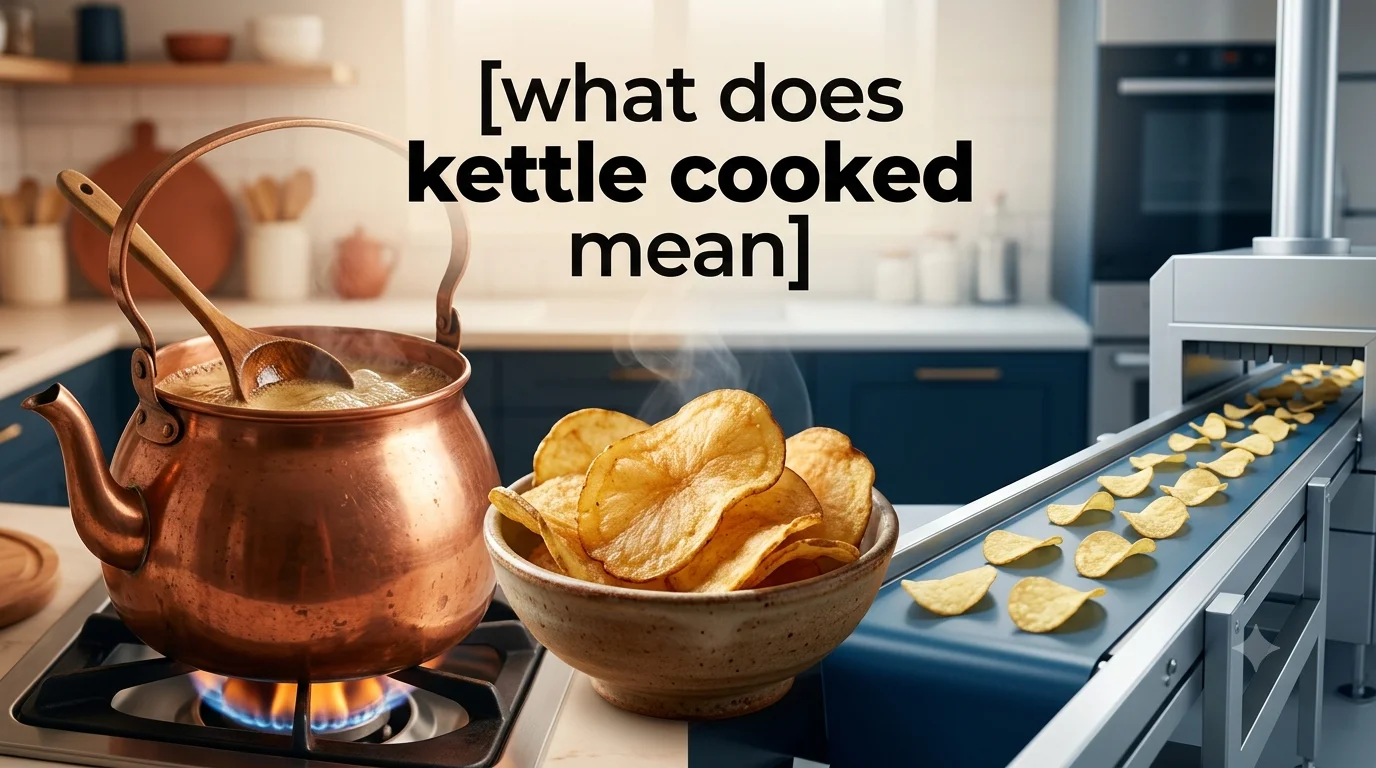
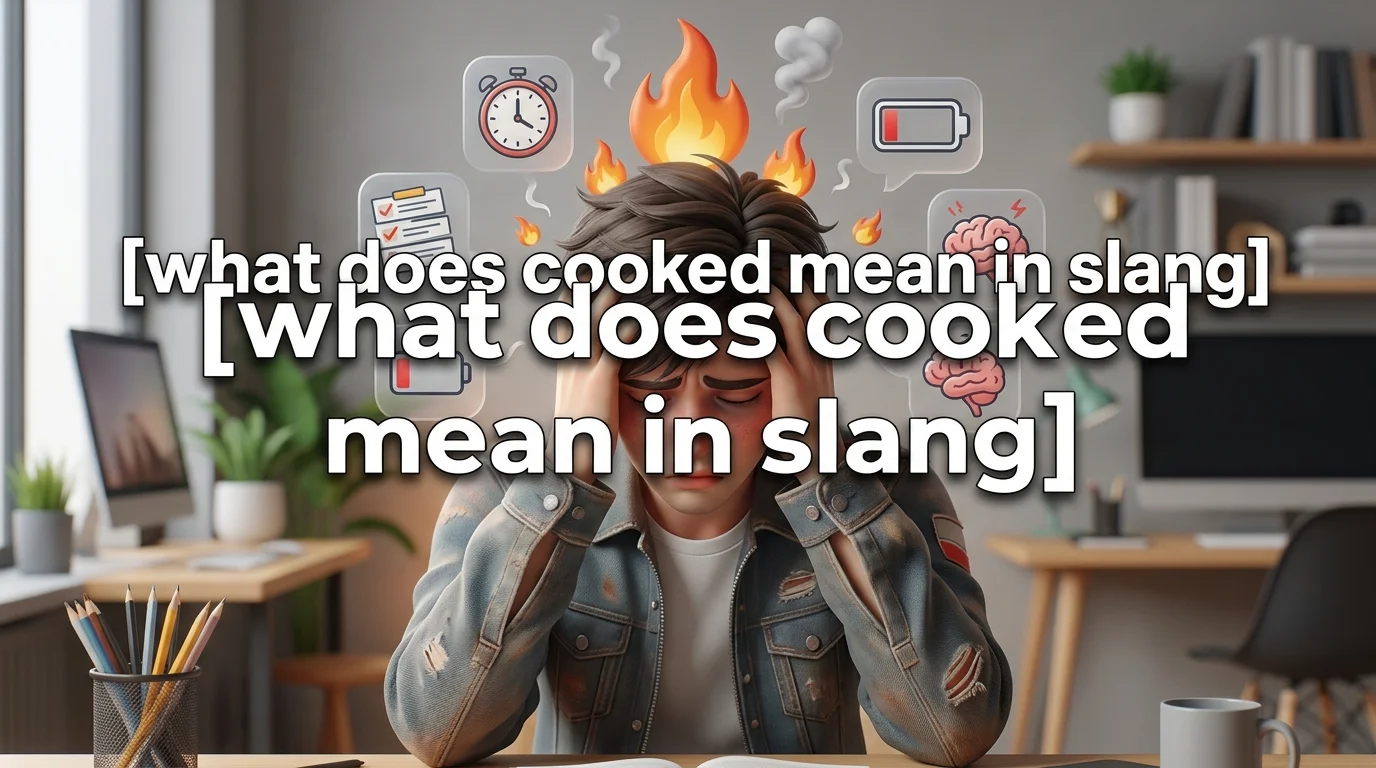
At its most fundamental level, saying someone or something is “cooked” means they are doomed, completely ruined, exhausted, or in deep trouble. It implies a situation where failure is practically guaranteed and no recovery is possible.
- “I forgot to submit my final project that was due at midnight. I am absolutely cooked.”
- “Look at the engine smoking on that car; that motor is completely cooked.”
- “He tried to argue with the professor without reading the syllabus. He got cooked in front of the whole class.”
Origin & Background: How “Cooked” Invaded Our Vocabulary
Where the term originally came from
Long before digital media took over, the word held various metaphorical meanings in English. In African American Vernacular English (AAVE) and jazz culture, “cooking” or “let him cook” referred to someone performing exceptionally well, playing music with intense skill, or working on something impressive.
Over time, slang evolved across different regions, particularly in Australian and British youth culture, where “cooked” was used to describe someone who was extremely tired, intoxicated, or behaving strangely.
Social media impact and viral spread
The modern internet merged these different regional uses into a massive global phenomenon. Gaming streamers began using the phrase to describe losing a game beyond redemption.
TikTok videos propelled the slang into everyday vocabulary through memes, comment sections, and viral sounds. Today, online platforms have universalized the expression across every corner of the globe.
Real-Life Conversations: How People Actually Use It
WhatsApp group chat failure
Person A: Did you study for the organic chemistry midterm tomorrow?
Person B: I haven’t opened the textbook once this week.
Person A: Yeah, we are both cooked.
Instagram DMs regarding relationship drama
Person A: Sarah found out Mark was texting his ex last night.
Person B: Oof. Is he trying to explain himself?
Person A: He tried, but she showed up with receipts. He is totally cooked.
TikTok comment section under a viral cooking video
Person A: Why did he dump the whole bottle of cayenne pepper into the soup?
Person B: Bro did not follow the recipe at all 💀
Person A: His stomach is going to be cooked later tonight!
Text messages about running late
Person A: The highway is completely blocked due to construction.
Person B: How long until you get to the airport?
Person A: Boarding closes in ten minutes. My flight status is cooked.
The Emotional & Psychological Depth Behind the Word
What emotion the phrase actually expresses
This specific piece of slang acts as a psychological buffer against stress, vulnerability, and sudden panic. Instead of admitting overwhelming defeat or emotional devastation, calling yourself or a situation “cooked” introduces a sense of dark humor and acceptance.
It transforms severe stress into a shared joke. By labeling a bad situation early, you take away its power to completely crush your spirit.
A personal scenario demonstrating its real-world impact
During a major work presentation last year, my screen frozen completely right as the executive panel asked for live data. My heart dropped, and panic rushed in.
Instead of freezing up completely, I leaned into the microphone, smiled, and quietly admitted my technical setup was cooked. The room burst into laughter, breaking the tension and buying me time to reset my connection.
Usage in Different Contexts: Navigating Tone and Setting
Social media platforms
On platforms like TikTok, X, and Twitch, the word is hyper-dramatic. It is routinely used for minor inconveniences, like dropping a phone or losing a casual online match.
Friends and romantic relationships
Among friends, the term shows solidarity during shared struggles. In relationships, it usually highlights when someone has been caught in a lie or made a massive mistake.
Professional and workplace environments
Avoid using this term in formal business meetings or high-level client presentations. However, in casual office banter with peers, it can describe a project running way behind schedule.
| Context | Tone | Meaning | Example |
|---|---|---|---|
| Social Media | Dramatic / Funny | Complete failure or embarrassment | “This draft is cooked, deleting my account.” |
| With Friends | Empathetic / Relatable | Shared helplessness | “We didn’t study at all, we are cooked.” |
| Workplace | Informal / Cautious | Irreparable project failure | “If the server stays down, our deadline is cooked.” |
| Relationships | Serious / Playful | Caught making a mistake | “He forgot her birthday; his weekend is cooked.” |
When NOT to Use “Cooked” Slang
Inappropriate professional settings
Using this vocabulary during formal job interviews, legal proceedings, or serious performance reviews undermines your credibility and professional authority.
Culturally sensitive or grieving moments
Never use this phrase when discussing serious real-world tragedies, severe illnesses, or personal grief. Applying slang to genuine tragedy comes across as deeply insensitive and immature.
Situations where it causes severe generational misunderstanding
Older adults who are unfamiliar with modern slang might interpret the phrase literally, leading to confusion about food preparation or physical fire hazards.
Common Misunderstandings: What People Get Wrong
Confusing “Let Him Cook” with “He Is Cooked”
The phrase “let him cook” means giving someone space to perform, plan, or execute something brilliant. Conversely, “he is cooked” means that same person has completely failed or is doomed.
Tone confusion: Literal vs. figurative
Context dictates whether the word refers to actual food preparation, extreme heat exposure, or social embarrassment. Reading the room is vital before interpreting the meaning.
Modern Slang Comparison
| Slang Term | Emotional Tone | Relation to “Cooked” | Example Sentence |
|---|---|---|---|
| Finished | Neutral / Final | Synonym | “After that mistake, his career is finished.” |
| Washed | Critical | Similar (Loss of talent) | “That athlete is washed up now.” |
| Thriving | Positive | Direct Opposite | “She got a promotion and is thriving.” |
| Let Him Cook | Encouraging | Related Action | “Hold on, let him cook, he has an idea.” |
Key Insight
While related expressions like “washed” focus specifically on a loss of talent over time, “cooked” captures an immediate, catastrophic state of being doomed in the present moment.
10 Variations and Types of “Cooked” in Modern Culture
- Absolute Cooked: Expresses a total, unrecoverable state of failure where no alternative options remain.
- Brain Cooked (Rot): Describes mental exhaustion or overload caused by spending excessive hours consuming low-quality online content.
- Cooked Beyond Belief: Emphasizes extreme shock at how badly a specific scenario turned out.
- Cooked It: An Australian slang variation meaning you made a mistake or ruined an opportunity yourself.
- Genuinely Cooked: Used when a lighthearted bad situation suddenly becomes a real-life crisis.
- Let Me Cook: A request for patience while preparing an argument, strategy, or impressive display.
- Look Cooked: Refers to a person appearing visibly exhausted, drained, or physically disheveled.
- We Are Cooked: A collective realization that an entire group faces incoming defeat or trouble.
- You’re Cooked: A direct warning to someone that they are about to face severe consequences.
- Cooked Socially: Describing someone who committed a major social blunder and ruined their reputation.
How to Respond When Someone Says You Are “Cooked”
Casual responses
- “Honestly, you’re not wrong.”
- “Yeah, it is looking pretty rough right now.”
Funny replies
- “Pass me the salt then, because I’m fully done.”
- “Well, at least I am well-seasoned!”
Mature and grounded replies
- “It looks difficult, but I am working on a backup plan.”
- “Things aren’t looking great, but I can still turn this around.”
Respectful replies
- “I appreciate the heads-up; I need to fix this fast.”
- “Thanks, I am addressing the issue right now.”
Regional and Cultural Nuances
Western digital culture
In American and European online spaces, the term carries a heavily dramatic, comedic edge tied directly to gaming, sports, and viral media.
Asian and Middle Eastern digital spaces
Global English speakers across Asia and the Middle East adopted the term through gaming streams and social platforms, applying it heavily to academic stress and exam results.
Generational shifts: Gen Z vs. Millennials
Gen Z uses the phrase almost daily for minor inconveniences. Millennials tend to save the term for genuinely bad or hopeless circumstances.
Is “Cooked” Safe for Kids to Use?
The slang term is entirely safe for children, teenagers, and young adults. It carries no inherently profane, vulgar, or explicit meanings.
Parents should simply ensure kids understand context appropriateness, ensuring they do not use informal slang when communicating with teachers or authority figures.
Frequently Asked Questions
What does “cooked” mean in slang?
It means being doomed, utterly ruined, completely exhausted, or facing inevitable failure in a specific situation.
Is saying “I’m cooked” a bad thing?
Yes, it usually indicates you are in trouble or facing a difficult outcome, though it is often said lightheartedly.
Where did the slang term “cooked” come from?
It evolved from Australian slang, African American Vernacular English (AAVE), jazz culture, gaming communities, and viral social media trends.
What is the difference between “let him cook” and “he’s cooked”?
“Let him cook” encourages someone to showcase their skills, while “he’s cooked” means someone has failed or is in trouble.
Can you use “cooked” in professional emails?
No, it is informal slang and should be replaced with professional terms like “compromised,” “delayed,” or “unsuccessful.”
Master Modern Internet Slang with Confidence
Language evolves rapidly, reflecting how culture, stress, and humor intersect in our daily lives. Using expressions like “cooked” allows us to laugh through minor setbacks and connect with people across digital spaces.
Understanding these subtle shifts keeps your communication fresh, engaging, and culturally aware. Embrace the changing landscape of language, and use your newfound slang knowledge with complete confidence!